Influencer marketing services with vetted creators and measurable sales
Our influencer marketing services find, vet and manage creators on Instagram, TikTok, YouTube and LinkedIn for brands that want creator content to sell, not just trend. We check every creator's audience for fake followers and fit, write briefs creators can work with, handle contracts and disclosure, and track sales through codes, links and your store or CRM.
Influencer marketing is paying or partnering with creators who have a trusted audience to feature your product in their content. Influencer marketing services cover strategy, creator discovery and vetting, briefs, contracts, disclosure compliance, paid amplification and measurement, so creator posts reach the right people, follow advertising rules and produce sales you can track.
Choose creators on audience fit and quality, not follower count.
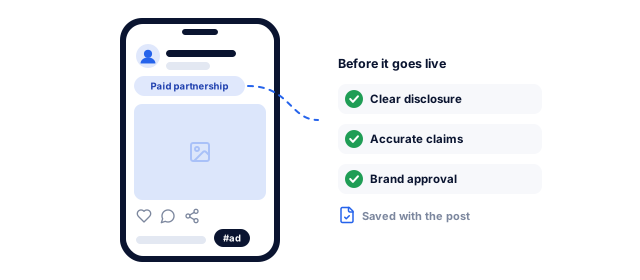
Disclosure must be clear and upfront; a platform's paid partnership label may not be enough on its own.
Agree usage rights and exclusivity in writing before content is made.
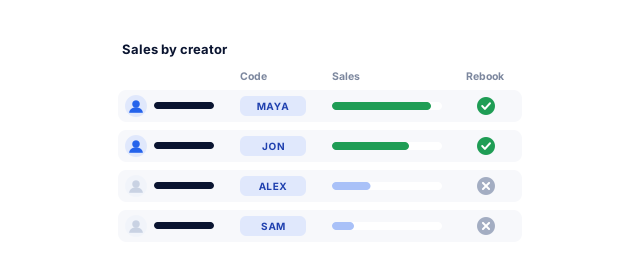
Track every creator with their own code, link and, where it pays, landing page.
Best for
Consumer brands, apps and B2B firms with a product creators can show, from a first seeding test to always-on creator programs
What you get
A vetted creator shortlist, briefs, contracts, content review, disclosure checks, creator ads and a results report by creator
Typical timeline
Strategy and shortlist in 2 to 3 weeks. Contracts and content in weeks 3 to 6. A fair read on results after one or two campaigns.
Pricing
Our management fee plus creator fees. Our programs run from under $750 to $10,000+ a month before creator fees. Published agency guidance we reviewed puts managed campaigns at a few thousand to tens of thousands of dollars. Creator tier, deliverables and usage rights drive the cost.
What our influencer marketing services include
Six workstreams, from finding the right creators to proving what they sold. Vetting and contracts come first, because most influencer problems start there.
We search by topic, audience location and content style, then vet every shortlisted creator: follower growth spikes, engagement that does not match reach, generic or repeated comments, audience country and age against your market, and past brand deals. Fake or bot followers made up 56.5% of the fraud and quality issues respondents reported in the Influencer Marketing Hub 2026 benchmark.
Influencer outreach and negotiation
We approach creators with a clear offer, negotiate fees, deliverables and timelines, and agree usage rights, exclusivity periods and approval rounds in writing. Gifting-only seeding suits some products and smaller creators; paid deals suit launches and anything with a fixed date. Every agreement states how the content will be disclosed and who approves it.
Briefs creators can work with
A good brief sets the message, the claims that must and must not be made, and the call to action, then leaves the creator room to speak in their own voice. Their audience follows them for that voice, so scripted ads read badly. We review drafts against the brief, the disclosure rules and your product claims before anything goes live.
Disclosure and compliance
Every sponsored post must be clearly labeled. The FTC's Disclosures 101 asks for the disclosure to sit with the endorsement and inside videos, and warns that a platform's tool may not be enough. The UK ASA expects a label such as "Ad" upfront. We check posts against each market's rules, including ASCI's influencer guidelines in India.
Whitelisting and creator ads
With the creator's permission, we run their content as ads from their handle: partnership ads on Instagram and Facebook, and Spark Ads on TikTok. You can then target, retarget and scale the best posts with proper budgets and tracking for an agreed period. Our Meta Ads team manages the spend, and ad permissions are written into each contract.
Tracking and influencer marketing ROI
Each creator gets a unique discount code, a UTM-tagged link and, where volume justifies it, a landing page from our landing page design team. We connect results to GA4, your Shopify store or CRM and the Meta Conversions API, and compare branded search before and after each campaign. The report shows cost per sale or lead by creator, not just views and likes.
What changes when creator marketing is managed properly
Creator marketing goes wrong in predictable ways. These are the problems we fix first, and what fixing them changes.
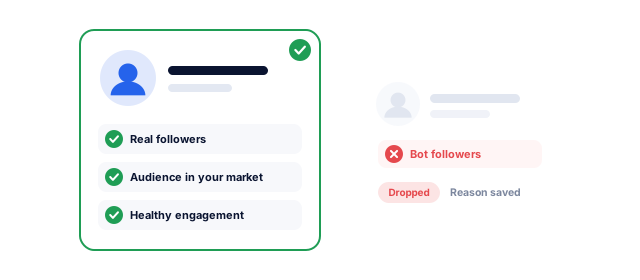
Paying for followers who are bots, or who live in a country you do not sell to, wastes the whole fee. Vetting each creator's audience quality, location and engagement pattern before you sign means your budget reaches people who can actually buy. Creators who fail the checks are dropped from the shortlist, with the reason recorded.
Smaller creators, sharper targeting
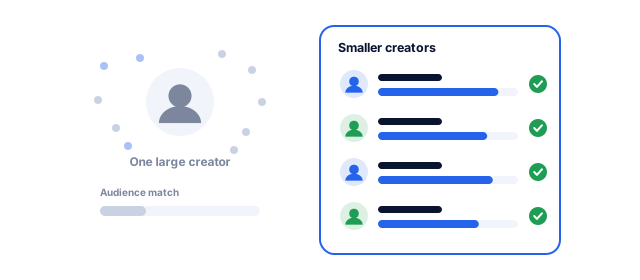
Brands are leaning toward smaller creators: in the 2026 Influencer Marketing Hub survey, 52.83% of respondents planned to expand work with micro creators and 51.43% with nano creators. Smaller creators tend to have narrower, more specific audiences. We run several in parallel, compare their results by code and link, and move budget to the ones who sell.
Content you can use again
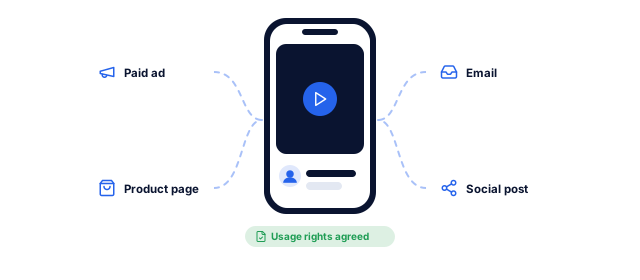
One creator video can serve as an ad, a product page clip, an email header and a social post, but only if the contract allows it. We agree usage rights, duration and channels upfront, so the content you pay for keeps working in paid social, on your website and in email marketing long after the original post.
No surprises with regulators or platforms
Undisclosed sponsorships put both brand and creator at risk of regulator action, platform penalties and public criticism. Clear disclosure, accurate product claims and documented approvals protect both of you, and they protect the audience's trust in the creator, which is what you are paying for. We keep a record of every approved post and its label, and if a creator controversy does hit, our reputation management team helps you respond.
Sales you can attribute to each creator
Without codes and links, influencer campaigns get judged on views and gut feel. With them, you can see revenue, new customers and cost per sale by creator, and decide who to rebook. Over a few campaigns, a scattered list of one-off posts becomes a roster of proven partners you can plan around.
Bigger budgets backed by evidence
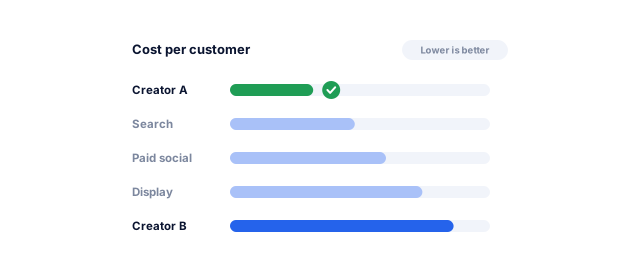
Most brands plan to spend more on creators: 87.49% of respondents in the Influencer Marketing Hub 2026 benchmark expected their budgets to rise. A bigger budget only makes sense with proof. Our reports compare creator results with your other channels on cost per acquisition, so the next budget decision rests on what each creator sold.
Creator campaigns not paying off?
Tell us where creator marketing is falling short. We look at past campaigns, the creators you used and how sales were tracked, and send a written plan for what to change first, with a shortlist of creators who fit.
Your free fix planFor your main problem
1What is causing itPast campaigns, creators, briefs and tracking
2What we would change firstRanked by the effect on sales from creators
3What it should do to your numbersA realistic range, not a promise
We agree what the campaign is for: launch reach, content for ads, sales or sign-ups. Then we set the creator mix by tier and platform, the split between creator fees and paid amplification, and how each result will be tracked.
Campaign goals and targets
Creator mix and budget
Tracking plan
A campaign built around one clear goal
Discovery and vetting
We build a long list from platform search, hashtag and competitor research, and your own followers and customers, then vet each creator's audience, engagement, past sponsorships and brand fit. You approve the shortlist before any outreach.
Creator long list
Vetting report per creator
Approved shortlist
Creators you can trust
Outreach and contracts
We contact creators, negotiate fees and deliverables, and put usage rights, exclusivity, approval rounds, disclosure and payment terms in writing. Products ship with tracking, and every creator receives a brief plus their own code and link.
Signed agreements
Creator briefs
Codes and tracked links
Clear terms before content is made
Content review and publishing
Drafts come back for review against the brief, your product claims and the disclosure rules in each market. We request changes where needed, confirm posting dates, and check every live post for the right label and working links.
Draft reviews
Disclosure checks
Live post log
Compliant content, on schedule
Paid amplification
Once the creator approves, the posts that perform best organically get paid support as partnership ads or Spark Ads, aimed at lookalike and retargeting audiences. Budget moves weekly toward the creators and formats with the lowest cost per sale.
Creator ad permissions
Amplification campaigns
Weekly budget changes
The best content reaches more buyers
Reporting and rebooking
After each campaign you get a report by creator covering reach, engagement, clicks, code uses, sales or leads, cost per result and content produced. We recommend who to rebook, who to drop and what to change in the next brief.
Campaign report
Creator scorecards
Next campaign plan
A roster of proven creators
Influencer marketing for your type of business
Creator choice, deal structure and tracking change with what you sell. These are the programs we plan most often.
01 / 05
Beauty, fashion and wellness
Beauty and fashion buyers want to see products on real people, so tutorials, try-ons and routines carry the most weight. We vet creators for audience fit by skin type, style or age where it matters, keep product claims within advertising rules, and run seeding programs alongside paid partnerships. Strong content moves into your social media marketing calendar and ads. See our beauty industry work.
For online stores, every creator gets a code and link tied to your Shopify or WooCommerce data, so revenue by creator comes from your store rather than the creator's screenshots. Creators who sell well move into affiliate and ambassador programs with tracked commission and payouts, and we watch for codes leaking onto coupon sites. See how we support ecommerce businesses.
B2B influencer marketing works through practitioners and niche experts: LinkedIn voices, YouTube reviewers, newsletter writers and podcast hosts your buyers already follow. Deals often include webinars, product walkthroughs or sponsored newsletter slots. We track demo requests and trials by creator in your CRM, and pair creator programs with content marketing so expert voices support your own articles. See our SaaS work.
For apps, creators show the product in use, which suits short-form video. Each creator gets a tracked install link, and in-app events are measured through your attribution partner, so you see installs and paying users by creator. Winning videos become Spark Ads and partnership ads, and longer demos can feed YouTube ads where a full walkthrough helps people decide to install.
Sometimes you need content, not reach. UGC creators make natural, phone-shot videos and photos for your own ads and product pages without posting them to their audience. We brief, cast and manage UGC creators, secure the usage rights, and test their content in paid social against brand-made creative to see which sells better. Rights cover the channels and period you need, so the content can keep running as long as it keeps selling.
Follower count is a rough guide, not a measure of quality. This is how the common tiers compare; we choose creators by audience fit and vetting results first, then by tier.
Close, local or niche audiences; affordable; often open to gifting
Small reach per post; many creators to manage
Local businesses, product seeding, UGC
Micro
About 10,000 to 100,000
Specific audiences and steady engagement at moderate fees
Quality varies widely, so vetting matters most here
Product launches and always-on programs
Mid-tier
About 100,000 to 500,000
Reach plus credibility in a niche; polished content
Higher fees and longer negotiations
Category launches and regional campaigns
Macro
About 500,000 to 1 million
Large reach and production quality
Broad audiences that may not match your market
Awareness campaigns with lift measurement
Celebrity or mega
Over 1 million
Mass reach and cultural moments
High fees, agents and strict exclusivity terms
Major launches with large budgets
Follower ranges are common industry conventions and differ between sources and platforms. Fees vary with platform, deliverables, usage rights, exclusivity and ad permissions, so we quote per creator.
Your first 90 days of influencer marketing
A first campaign takes four to eight weeks from brief to live posts, or less with a smaller first wave of micro creators, so the first 90 days cover one full campaign and the plan for the next.
Campaign goal, creator mix, budget split and tracking plan
Vetting report for every shortlisted creator
Approved shortlist, outreach and fee negotiation
First agreements covering rights, disclosure and approvals
By day 30, you have an approved shortlist of vetted creators and clear terms in writing before content is made.
2Days 31 to 60
Content and first posts
Briefs, codes and tracked links for each creator
Draft reviews against the brief, claims and disclosure rules
First posts live, each checked for labels and links
By day 60, your first creator posts are live, correctly labeled and tracked by code and link.
3Days 61 to 90
Amplification and first report
Partnership ads or Spark Ads on the best posts
Weekly budget moves toward the lowest cost per sale
Campaign report and a scorecard for each creator
Rebooking advice and the next campaign brief
By day 90, you have results by creator from your first campaign and a plan for the second.
What you see every month
Each month you get a written report and a review call. It leads with the numbers that matter to your business, says what we changed and why, and sets out what we test next.
Every report includes
Sales and sign-ups by creator, from codes and links
Reach and engagement from real, checked audiences
Content you can reuse, and the rights for each piece
Consumer brands with a product people can see, try or wear on camera
Online stores and apps that want sales and installs tracked by creator
Brands that have worked with creators before but could not tell what sold
Teams that want creator content reused as ads, on product pages and in email
We can also help when
Your budget is small: we start with product seeding to nano creators or a few paid micro creators, managed for a fixed monthly fee, and scale up with the ones who sell
You need posts live sooner: we start with a smaller first wave of micro creators on simple agreements, or UGC videos run as ads from your own account, while larger deals are agreed
You sell B2B software or services: we work with the LinkedIn voices, newsletter writers and podcast hosts your buyers follow, and track demos by creator in your CRM
You want guaranteed sales or views: we commit to vetted creators, written terms, a clear label on every post and a report on cost per sale by creator
Why work with improveFX as your influencer marketing agency
We are a Meta Business Partner and Google Premier Partner, and the team that manages your creators also runs the partnership ads, Spark Ads and tracking behind them. Creator content moves straight into paid campaigns and your social calendar, and every result is judged on cost per sale or lead alongside your other channels.
02
Checks before spend, not after
We vet every creator before you pay, write disclosure and usage terms into every agreement, and check every live post. Our in-house specialists in New Delhi cover the working hours of brands in the US, UK, Canada, Australia, Europe and India, so multi-market campaigns run on one schedule with the right rules for each market.
03
Your rights, your data
You keep the content rights you pay for, your ad accounts and all campaign data, and every creator agreement is shared with you. We work on a rolling monthly agreement with 30 days' notice and transparent monthly reporting. Clients stay with us 1.6 years on average and rate us 4.9 on Trustpilot from 156 reviews. If you leave, the roster and results stay with you.
Certified partners on the platforms we manage for you
Results we can put numbers on
These are paid media, search and website results rather than creator campaigns, reported as we report creator programs: in sales, leads and revenue.
"improveFX transformed our PPC campaigns with smarter targeting, compelling ad creatives, and continuous optimization."
185%conversion growth
42%lower cost per lead
210%more qualified leads
Nadya SmolskayaCo-founder, CleverBoss
"From designing a high-converting website to managing our SEO, Google Ads, and Google Business Profile, improveFX delivered exceptional results across every channel."
210%more qualified leads
185%organic and local traffic growth
92%keywords on page one
Maureen CappalloBroker and founder, Momentus Real Estate Group
"We now rank for highly competitive keywords while our PPC campaigns deliver qualified leads at a lower cost."
80%keywords on page one
620%return on investment
52%lower cost per lead
Divyanshi HirparaFounder, Trunkboxbaby
"Our marketing reach expanded by 50% after implementing their innovative SEO and content writing services. They truly understand the e-commerce landscape."
43.6%more sales
621%return on investment
63%keywords on page one
Allen RayFounder, Ecom Fashion
Services that strengthen your influencer marketing
Creator programs perform best when social, ads and content are planned with them.
You pay creator fees plus an agency fee. Published agency guidance we reviewed puts managed campaigns at a few thousand to tens of thousands of dollars, with smaller services from a few hundred.
Creator fees depend on tier, platform, number of posts, usage rights, exclusivity and how long ads can run from their account. Agency fees are usually a flat fee per campaign or month, a percentage of creator spend, or partly performance-based. Ours is a fixed monthly amount, or 10% to 15% of ad spend once your monthly spend on creator ads is above our minimum, so smaller programs run on a fixed fee. We quote after scoping, with creator fees, product costs and our fee as separate lines.
What do influencer marketing services include?
Influencer marketing services include strategy, creator discovery and vetting, outreach, contracts, briefs, content review, disclosure checks, paid amplification and reporting.
With us, each creator also gets tracked codes and links, a vetting report you can read, and a scorecard after the campaign. UGC production, affiliate program management and partnership ads can be added when they fit your goal.
How do you check for fake followers?
We judge audience quality before follower count: growth history, engagement patterns, comment quality and where the audience lives.
Warning signs include sudden follower spikes, large followings with very low or oddly uniform engagement, repeated generic comments, and audiences concentrated in countries you do not sell to. We also ask creators for screenshots of their own audience insights. Creators who fail are dropped, and the reason is recorded.
How should influencers disclose sponsored posts?
Clearly and upfront, next to the endorsement itself. The FTC accepts plain terms such as "ad" or "sponsored"; the UK ASA prefers "Ad" and says "sponsored" is open to interpretation.
Disclosures hidden in a bio, at the end of a caption or behind "more" are likely to be missed, and in videos the disclosure belongs in the video itself. Platform paid partnership labels help but may not be enough on their own. We write each market's rules into briefs and check every live post.
What is influencer whitelisting?
Whitelisting means running a creator's content as ads from their account, with their permission. On Meta these are partnership ads; on TikTok they are Spark Ads.
It lets you put paid budget behind proven creator content with full targeting, retargeting and conversion tracking. The permission period, spend limits, the fee for ad usage and which posts can be used are all agreed in the contract before any ad runs.
Are micro influencers better than macro influencers?
It depends on the goal. Micro creators suit specific audiences and testing at moderate cost; macro creators suit broad awareness when you can measure lift.
Many brands start with a group of micro and nano creators, compare results by code and link, then scale with the best performers. In the 2026 Influencer Marketing Hub survey, more than half of respondents planned to expand work with micro creators. Macro deals make most sense once your offer and creative are proven.
Who owns the content creators make?
The creator usually keeps copyright, and you get the usage rights written into the contract. Agree them before any content is made.
Rights should cover where you can use the content (organic social, ads, website, email), for how long, and whether you can edit it. Longer or broader rights cost more. We negotiate usage terms upfront so you never pay twice to reuse a video that worked. For anything unusual, have your lawyer review the agreement.
How do you measure influencer marketing ROI?
By tracking sales or leads per creator through codes, tagged links and landing pages, then comparing revenue with the total cost of fees, products and management.
We connect results to GA4, your store or CRM and the Meta Conversions API, and watch branded search before and after campaigns for effects that codes cannot capture. Reports show cost per sale and new customers by creator, so rebooking decisions rest on numbers.
Should I use an influencer marketing agency or a platform?
Use a platform if someone in-house has time to find, vet, brief and manage creators. Use an influencer marketing agency if you need that work done for you, with contracts, compliance and paid amplification.
Platforms give you a searchable creator database and workflow tools, but outreach, negotiation and quality control remain your job. An agency does that work and is accountable for results. Some brands use both: a platform for discovery and an agency for strategy and execution.
How long does an influencer campaign take?
Usually four to eight weeks from brief to live posts for a first campaign. Results start the day content goes live.
Strategy and shortlisting take two to three weeks, contracts and product shipping one to two, and content creation and review two to three. Always-on and ambassador programs then run continuously with monthly reporting. Creator availability and approval speed affect timing. For a fixed launch date, a smaller first wave of micro creators on simpler agreements can go live sooner.
Ready to get more from your marketing?
Tell us what is holding your marketing back, or book a strategy call with our team.
A look at what you spend and what it brings in
Fixes ranked by their effect on leads and cost
A call with a specialist to plan the next steps, no obligation
A specialist replies personally 4.9 from 566 client reviews