Most teams do not abandon their CRM because it lacks features. They abandon it because it was never shaped around their pipeline. We design, build, and integrate custom CRM software that mirrors how your business actually runs, connects to the tools you already pay for, and gives your sales, service, and marketing teams one version of the truth.
Companies that chose us for their digital transformation

















Not every CRM problem needs a rebuild. Some businesses need a system built from the ground up. Others just need their existing platform to stop fighting their workflow or untangle their data from four disconnected tools. We start by scoping the smallest change that actually solves the problem, then tell you plainly which of these four CRM software development services your situation calls for and which one it does not.

For workflows, no off-the-shelf platform can model them. We build your CRM application from the data layer up, so the software follows your process exactly.

Already on Salesforce, HubSpot, or Dynamics 365? We build the custom modules, objects, and automations your team needs without abandoning the platform you own.

We connect your CRM to ERP, billing, marketing, and support tools, then migrate legacy records with deduplication and validation so your team trusts the data.

We rebuild aging CRM systems on modern architecture, then layer in AI lead scoring, call summaries, and forecasting that run on clean, structured data.
A generic CRM assumes every business sells the same way. Most do not. A hospital tracks referrals, not deals. A developer tracks units and brokers, not contacts. A manufacturer tracks dealers, not shoppers. The closer your CRM gets to the language your team already uses, the faster they adopt it. Here is how we approach custom CRM development in the industries we work in most.
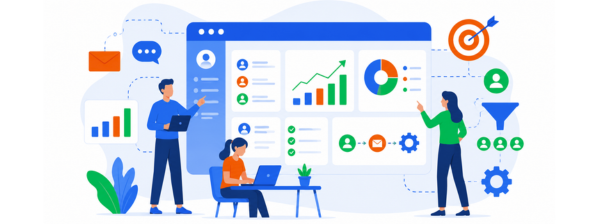
Healthcare CRM development is less about closing deals and more about protecting relationships across referrals, intake, and follow-up. We build patient and provider records that stay HIPAA-aligned, with role-based access, audit trails, and consent tracking baked in. Where your EHR or practice management system is older or on-premises, we integrate through secure middleware rather than forcing a rip-and-replace that your clinical team never asked for.
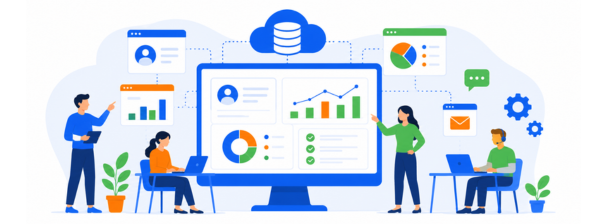
Real estate developers do not manage a flat contact list. They manage inventory: units, phases, floor plans, and hold periods, each moving through site visits, bookings, and payment milestones. We build CRM systems that treat inventory as a first-class object, capture leads from listing portals and campaigns automatically, and give brokers and channel partners their own scoped view without exposing your full pipeline.
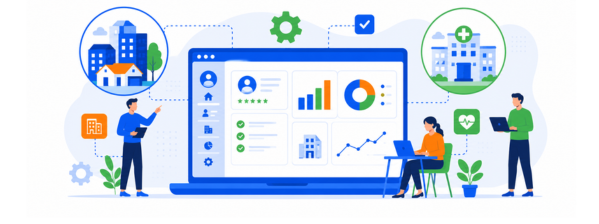
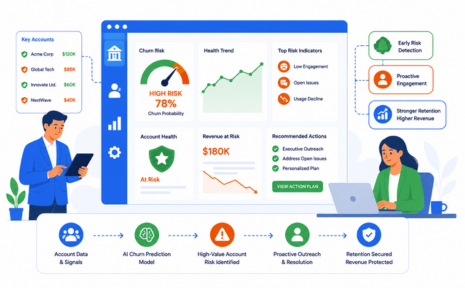
For software companies, the CRM has to see the product, not just the pipeline. We connect usage signals, trial activity, and billing events so business development and customer success teams can spot product-qualified leads, expansion openings, and churn risk before a renewal call. That means clean two-way syncs with your billing system, product analytics, and support desk, so nobody works from a stale account view.
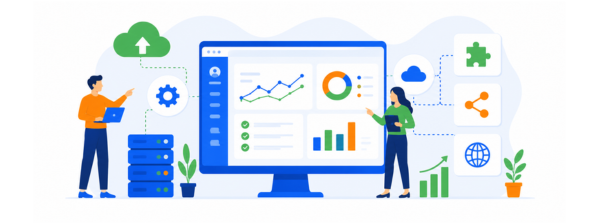
Lending, advisory, and insurance teams run document-heavy pipelines where a missing form stalls everything. We build CRM workflows around application stages, document collection, and underwriting handoffs, with audit trails that hold up under review. Client data stays segmented by role, communication is logged automatically for compliance, and renewal and policy-anniversary triggers fire on schedule instead of depending on someone remembering to check a spreadsheet.
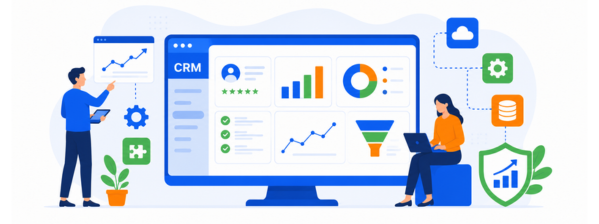
When the same customer buys online, walks into a store, and then calls support, three systems usually hold three versions of them. We unify order history, loyalty status, and service tickets into one record, then give each location or franchise its own scoped dashboard while the head office sees the whole network. Store managers stop guessing, and marketing finally segments on behavior instead of assumptions.
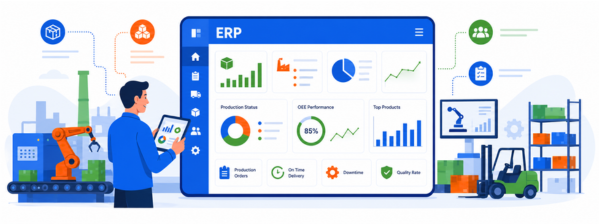
Manufacturers and distributors sell through dealers, quote from complex price books, and service what they ship. We build CRM systems that handle tiered dealer hierarchies, CPQ logic, warranty and service-contract tracking, and technician scheduling in one place. Most of these clients run an established ERP that isn’t going anywhere, so we integrate directly with it and let field teams work offline when connectivity drops.
Get a free proposal with real numbers, honest timelines, and no lock-in. Judge us on that.
Most CRM projects do not fail because the code breaks. They fail because scope drifts, timelines slip quietly, and the team never learns the system. Our process is built to prevent all three. You see working software early, you review it every two weeks, and you finish owning everything we built, down to the source code and documentation.

We sit with the people who will use the CRM daily and map how work moves today, including the spreadsheets and workarounds nobody documented. You get a written process map and a prioritized feature scope.
Your data model decides what the CRM can do in year three, so we design it before writing features. You get a documented schema, integration plan, and a technology stack recommendation with reasoning.

We prototype the screens your team touches most before development starts, then put them in front of actual users. You get clickable prototypes and revisions made in design, where changes cost hours instead of weeks.
Our CRM developers ship in two-week sprints, and every sprint ends with a live demo on a staging environment you can log into. You get visible progress and a chance to redirect early.
We migrate legacy records with deduplication, validation, and a dry run you sign off on first. Testing covers functional flows, role permissions, load behavior, and the security gaps auditors ask about.

We train your team by role, not with one generic session, and hand over source code, admin documentation, and credentials. Support continues afterward because you want it, not because you are locked in.
We turn down custom CRM projects that should not exist. A team of six running a clean sales process rarely needs one. But the moment your workflow stops matching what the platform allows, the math changes fast. These are the questions we work through with every prospect, answered the way we would answer them on a call.
Three signals usually mean custom is worth it: your team maintains spreadsheets alongside the CRM because the CRM cannot model something important, you are paying for seats that never log in, or your process is a competitive advantage you do not want flattened into someone else’s template. If none of those are true, we will tell you to configure what you already own.
Start with the platform if your process is roughly standard and your integrations are common. A custom CRM build makes more sense when the platform fights you on the data model itself, not just the fields, or when your licensing costs scale faster than your revenue. In practice, plenty of our clients land in the middle: keep the platform, build the two modules it cannot handle.
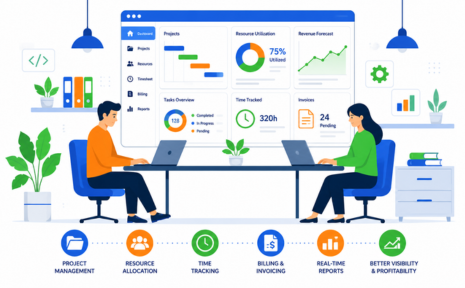
Subscription CRM pricing is per user, per month, and the tiers with the features you need are rarely the cheap ones. Multiply your seat count by the tier you actually require, then by five years, and add the paid add-ons that come with growth. That number is the real comparison against a one-time build. For some teams, it favors the subscription. For others, it stops being close.
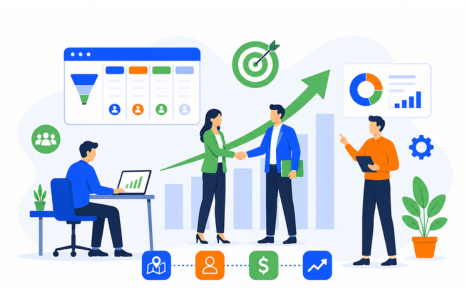
With a custom CRM you own the source code, the database, and the hosting account. That matters in two moments: when you want a feature a vendor has no interest in building, and when you want to change agencies. We hand over repositories, documentation, and credentials at launch. If you ever stop working with us, nothing you rely on stops working.
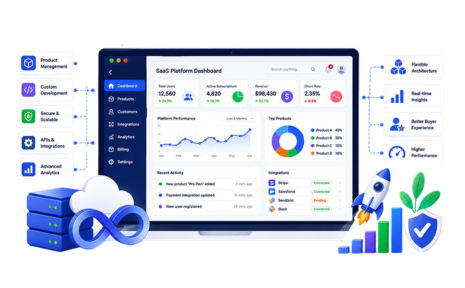
You choose the region and the cloud, whether that is AWS, Azure, Google Cloud, or your own servers. We build with encryption in transit and at rest, role-based permissions, and audit logging from the first sprint rather than as a pre-launch scramble. Where GDPR, HIPAA, or contractual security reviews apply, we design to those requirements during architecture, because retrofitting compliance is expensive.
Adoption is decided before launch, not after. The systems people use are the ones that ask for less typing than the old way, surface the record they need without a search, and match the words the team already says out loud. We involve daily users in discovery, test screens with them during design, and train by role at launch. Skipping those three steps is how good software goes unused.
Most CRM development agencies hand you a system and disappear. Most marketing agencies cannot build one. We sit in both, which changes what we build and how long we stay. Here is what that actually looks like when you work with us, beyond the parts every agency claims on a page like this one.
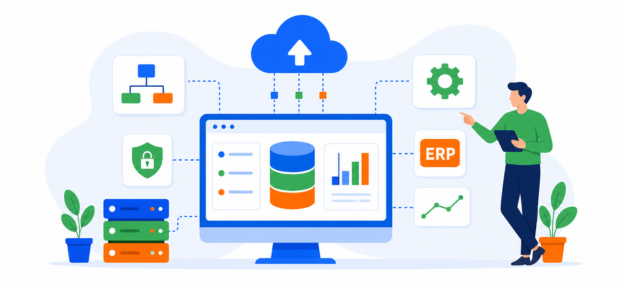
We came from SEO, paid media, and automation before we built software, and that changes the questions we ask. Where do your leads actually come from? What happens in the ninety seconds after a form is submitted? Your CRM gets designed around real acquisition data instead of assumptions, and the campaigns feeding it get instrumented properly, because the same team is responsible for both.
You get one person who knows your project, not a rotating support queue. We agree on overlapping working hours before the contract starts, publish a sprint schedule you can put on your own calendar, and demo working software every two weeks. When something slips, you hear it from us in that demo, not in a status report three weeks later.
Launch is not the finish line. Once real data accumulates, the highest-value work becomes obvious: the report nobody knew they needed, the automation that removes an hour a day, the field that turned out to be useless. Most of our CRM clients keep us on for that second phase, which is why our average engagement runs past a year and a half rather than ending at handover.
A CRM rarely arrives alone. It inherits data from an ERP, feeds a mobile app your field team uses, or becomes the record that an automation writes into. These are the services our clients most often pair with a custom CRM build, and the short version of why each one comes up in the same conversation.
Phasing beats bundling. We usually recommend launching the CRM, letting your team use it for a quarter, then deciding what to add based on what the data shows. Anything on this list can be scoped later without rebuilding what you already have.
Your ERP holds inventory, orders, and finance. We build it, or connect it, so the CRM shows accurate stock and billing without anyone rekeying data between systems.
When the problem is bigger than customer relationships, we build the wider system: portals, internal tools, and operations software that share one database with your CRM.
Field reps, technicians, and site teams need the CRM in their pocket. We build native and cross-platform CRM apps that work offline and sync when signal returns.
Customer portals, partner dashboards, and self-service tools that read from your CRM, so clients update their own records instead of emailing your support team for every change.
If your CRM idea is a product you plan to sell, we build it as multi-tenant SaaS with subscription billing, tenant isolation, and an onboarding flow from day one.
The CRM stores the data. Automation acts on it: routing leads, triggering follow-ups, generating quotes, and removing the manual steps your team currently does by hand.
These are the practical questions that come up on almost every scoping call, answered the way we answer them live. The bigger strategic questions, including whether custom is right for you at all and how licensing math compares, are covered further up the page. If something here is not answered, ask us directly and we will give you a straight answer.