Your sales teams lose most of the week’s time to CRM updates, follow-ups, and handoffs that software should handle. Our sales automation services map your real pipeline, connect the tools you already pay for, and add AI where it earns its place. What you get is a sales automation system your team trusts, adopts, and sells faster with.
Companies that chose us for their digital transformation













Most teams automate one piece, usually outreach, then wonder why the pipeline still leaks. Automation in sales only compounds when every stage hands off cleanly to the next. We build and connect four layers across your funnel, using the sales automation software you already own where it fits and custom workflows where it does not, so your revenue cycle runs as one system rather than four disconnected tools.

Every inbound lead is enriched, scored, and routed to the right rep in seconds, so your fastest follow-up always lands on your best opportunities.

Stage changes, task creation, activity logging, and data hygiene run on their own, giving you a sales automation system your forecasts can finally trust.

Multi-channel cadences that adapt to buyer behavior, with deliverability safeguards and send limits that protect your domain reputation and the brand behind it.

Quotes, approvals, e-signatures, invoicing, and sales tax automation services are connected end to end, so signed deals become recognized revenue without manual rework.
Automation is only worth building where a deal actually loses time or momentum, so we follow your pipeline from first touch to renewal and find those points before writing a single workflow. Below is how sales process automation works at each stage of a typical B2B pipeline, what we build there, and the specific failure mode each piece is designed to prevent.
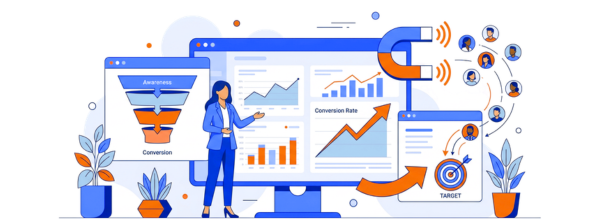
A form fill, a chat message, a call, or a LinkedIn reply all land in one place, get matched against your CRM, and arrive enriched with firmographic data before a rep ever opens them. Routing rules are assigned by territory, product line, or existing account owner within seconds. The failure mode this removes is the oldest one in sales: the vendor who responds first usually wins the deal.
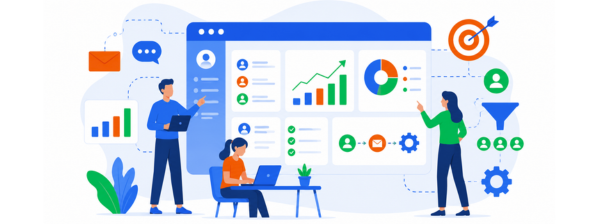
AI sales automation reads behavior, not just job titles. Page depth, email engagement, demo requests, and firmographic fit combine into a single score your team agrees on, and low-fit leads route to nurture instead of a rep’s calendar. We review those scores against closed-won data every quarter, so the model reflects who actually buys from you rather than who looked promising last year.
Sequences branch on what the buyer does. Opening but staying silent sends a different message from clicking pricing twice. Any reply pulls the contact out of automation and hands the thread to a human immediately. We set send volumes, warm domains properly, and monitor deliverability, because a burned sending domain costs far more than the extra meetings an aggressive cadence might add.
Configuration, pricing, discount approvals, e-signature, and the handoff to finance run as one connected flow. A rep builds a quote from approved products, discounts above the threshold route to the right approver automatically, and signed documents write back to your CRM and billing system. Deals stop sitting in inboxes waiting for somebody to notice them and remember to move them forward.
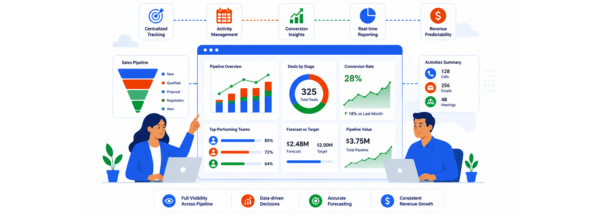
Clean data is what makes a sales automation system worth owning. When activity logs itself, and stages carry exit criteria the software enforces, your pipeline review stops being a negotiation. We build dashboards showing stage conversion, deal velocity, and slippage by rep and segment, so you can tell which deals are real long before the quarter actually closes on you.
Revenue does not stop at closed-won, and neither should the automation. Onboarding tasks trigger on signature, usage, and milestone data that flag accounts drifting toward risk, and renewal windows open early enough for a real conversation. Expansion signals route back to the account owner with context attached. This is where a sales automation solution turns a single win into compounding revenue.
Get a free proposal with real numbers, honest timelines, and no lock-in. Judge us on that.
You should know what you are buying before you sign it and what lands each week after. Every engagement runs through the same six phases, each with named deliverables, and you have a working system in production before the final phase begins. Timelines shift with scope; the sequence does not.

We map your pipeline as it actually runs, sit with your reps, and measure where deals lose days. You get a documented process map and a ranked list of every leak we found.
Every opportunity is scored on build effort against revenue impact, then sequenced. You receive a phased roadmap and an ROI model your finance team can review before any development work begins.
We audit what you own, what you are paying for twice, and what is missing. Then we recommend sales automation software solutions that fit your team, your budget, and your existing data structure.

Workflows, integrations, and data migrations are built in a sandbox first, tested against real historical deals, and signed off by your team before anything touches your live CRM or your pipeline.

Automation fails when reps route around it. We train by role, document every workflow in plain language, and stay in your team channels through the first weeks of live use.
At thirty, sixty, and ninety days we review adoption, conversion, and cycle time against the original baseline, tune whatever underperforms, then hand over full ownership with complete written documentation and training.
McKinsey estimates that about a third of all sales tasks can be automated with current technology, yet only one in four companies has automated even a single sales process. That gap is the opportunity. Here is what changes once the workflows go live, starting with the gains that show up fastest.
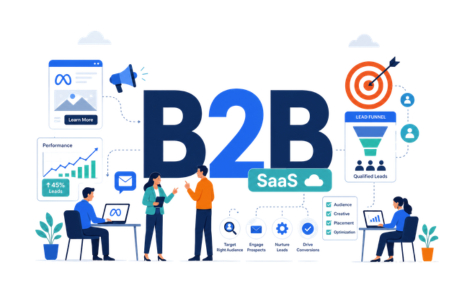
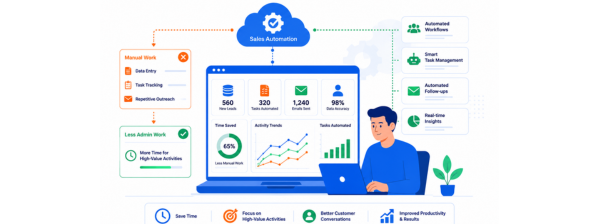
The work that automates best is the work nobody enjoys: logging calls, chasing internal approvals, updating records, and digging around for the right case study. In almost every audit we run, that admin load turns out to be the largest single block in a rep’s week. Removing it does not just save time; it adds selling capacity from the team you already pay for.
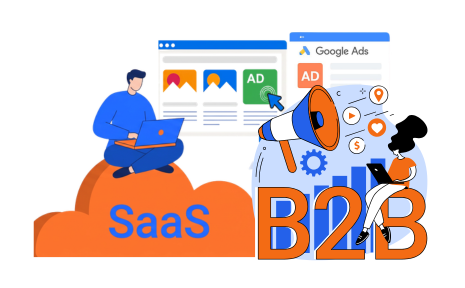
Quotes rarely stall on price. They stall in the gaps: waiting on a discount approval, waiting for legal, waiting for someone to notice an email. When configuration, pricing, approvals, and e-signature run as one connected flow, turnaround drops from days to hours. The vendor whose contract lands while the buyer is still deciding is very often the one who gets signed.
Without automation, one prospect receives seven thoughtful touches while the next gets a single email and then silence, depending entirely on who happened to own it that week. Sequences remove that lottery completely. Every qualified lead gets the cadence you designed, in the order you designed it, and your best rep’s follow-up discipline quietly becomes the standard everyone runs on.
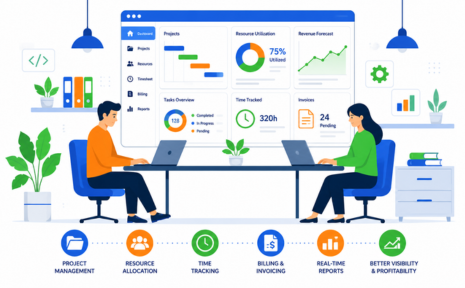
Building a scoring model forces both teams to define what qualified actually means, because a workflow cannot run on a vague definition. That single conversation settles arguments that have often run for years. It is also why sales and marketing automation services are usually scoped together, since the handoff between the two teams is where most pipeline quietly leaks away.
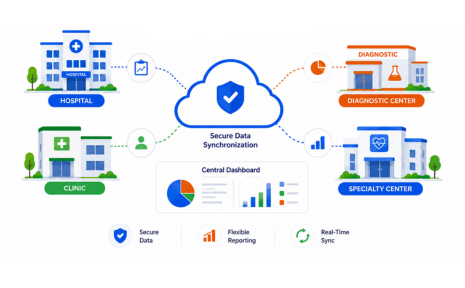
When activity logs itself and stage changes follow rules rather than optimism, your pipeline data stops being an opinion. Leadership can see which deals carry genuine decision-maker involvement, where proposals are sitting, and which segments are slipping. That visibility shapes hiring plans, capacity decisions, and board conversations, which is why forecasting accuracy is often the benefit clients end up valuing most.
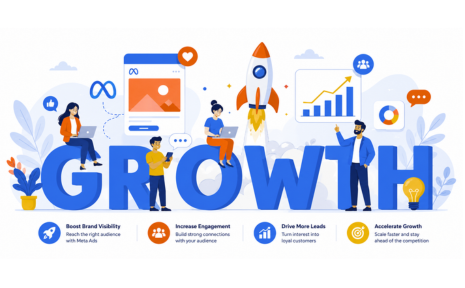
Automation is not only an internal win. Your buyer feels it directly: a reply within minutes instead of days, a quote that is accurate the first time, and a follow-up that arrives exactly when it was promised. Those moments decide whether you look like the organized vendor or the disorganized one, and that impression carries straight into every pricing conversation that follows.
Three categories get used interchangeably in buying conversations, and the confusion is expensive. Teams purchase a CRM expecting automation, or run nurture campaigns and call it sales automation. Knowing which layer you are actually missing is usually the difference between a system that pays for itself and one that sits unused.
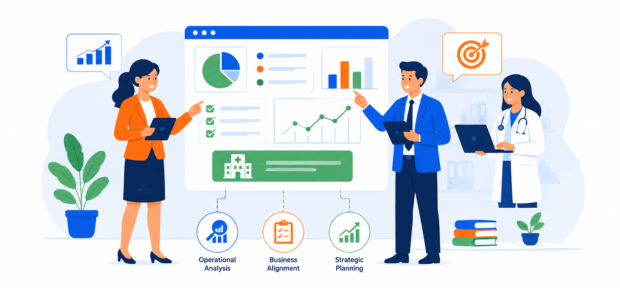
A CRM is a system of record. It holds contacts, deals, notes, and history, and it will hold them accurately for years without ever moving a single deal forward. Sales automation software is the layer that acts on that record: who gets contacted, when a stage should change, and which approval routes where. Most teams already own the record and are missing the action.
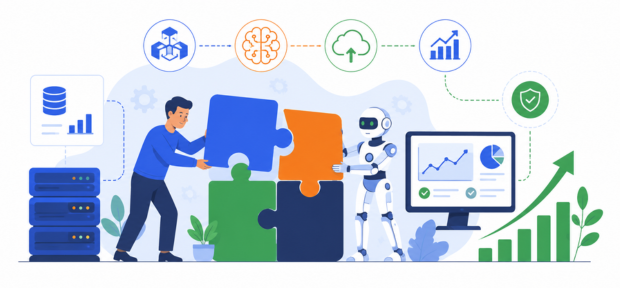
Marketing automation works at the top of the funnel: campaigns, lists, scoring, and nurture until somebody raises a hand. Sales automation picks up from there and runs what a named opportunity needs, from routing and follow-up through quoting and handoff. They share data and should be built to talk to each other, but neither one will ever cover the other’s job.
The most common situation we inherit is automation that technically works and nobody touches. Reps keep private spreadsheets, managers stop trusting the pipeline, and the investment quietly dies. We design around how your team already sells, train by role, and document everything in plain language, because a sales automation solution only returns value once it becomes the path of least resistance.
Sales automation rarely stops at the sales team. The moment a deal closes, finance, operations, and support inherit the work, and the leads filling your pipeline come from somewhere upstream. These are the services our clients most often build alongside a sales automation engagement, and usually within the same roadmap.
Each of these can be delivered on its own. Built together, they share one data model, one set of definitions, and one integration layer, which is what stops your automation from becoming another set of tools that do not talk to each other.
We automate the approvals, handoffs, and repetitive internal processes running across your operations, so work moves between teams without anyone chasing it down through long email threads.
Campaigns, nurture tracks, and lead scoring built to feed your pipeline with qualified demand, and to hand each lead over with the context your reps actually need.
Your existing CRM configured, cleaned, and automated so records stay accurate, stages carry real rules, and your team stops treating data entry as part of the job.
End-to-end automation across finance, HR, procurement, and operations, aimed at the manual processes that quietly consume hours and introduce errors nobody catches until much later.
When off-the-shelf platforms cannot hold your process, we build the system that can, designed around your actual workflows rather than around someone else's product roadmap.
Predictive scoring, intelligent chatbots, and forecasting models trained on your own data, adding judgment to your automation instead of simply adding more speed to it.
These are the questions that come up most often in first conversations, answered the way we would answer them on a call. If yours is not covered here, ask it directly. The initial audit conversation is free and carries no obligation.