Our workflow automation services start with a map of how work actually moves through your business, not a template. We then build, test, and document automated workflow solutions across the tools your teams already use. You get fewer handoffs, cleaner data, and full ownership of every workflow we deliver, with monitoring and error alerts in place before launch.
Companies that chose us for their digital transformation

















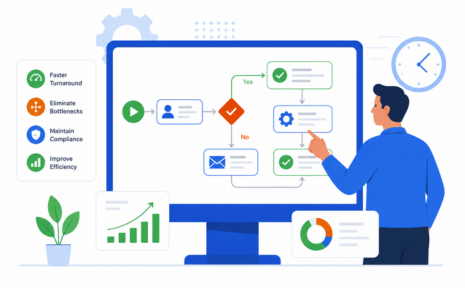
Most teams don’t need everything automated. They need the right things automated first. After delivering workflow automation solutions across sales, finance, support, and operations, we see the same four pressure points return the highest value in the shortest time. Each one below is measurable, which means you can build the internal business case before a single process is rebuilt and prove the return after it ships.

Approvals, handoffs, and data entry stop waiting on someone's inbox. Work moves the moment the trigger fires, day or night.

Rekeying data between systems is where mistakes start. Validation rules, single-source records, and audit logs catch problems before they reach a customer.

Volume grows without the payroll growing with it. Your existing team handles more accounts, tickets, and orders because the repetitive layer runs itself.

Automated workflows leave a trail. You see where work sits, what it costs, and which step slows everything down, in real numbers rather than guesses.
Automation projects fail when the scope stops at the build. We cover the full lifecycle: finding the processes worth automating, designing them, connecting your systems, and keeping everything stable once it’s live. Below is what each part of our workflow automation services involves, so you know exactly what you’re buying and where our team takes ownership rather than handing you a diagram and an invoice.
We start where the money is leaking. Our consultants sit with the people doing the work, map every step, and measure how long each one takes. You get a ranked backlog showing which processes cost the most and which automate cleanest. Our workflow automation consulting services end with a decision document, not a sales pitch, so you can approve the sequence before development begins.
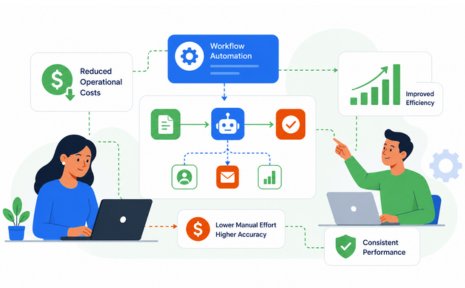
Templates break the moment your process differs from the vendor’s assumption. We build business process workflow automation around your actual rules: your approval thresholds, your exceptions, and your escalation paths. Every build is tested against real edge cases before launch, documented in plain language, and versioned so changes are traceable. You get automated workflow software your team can read and modify, not a black box.
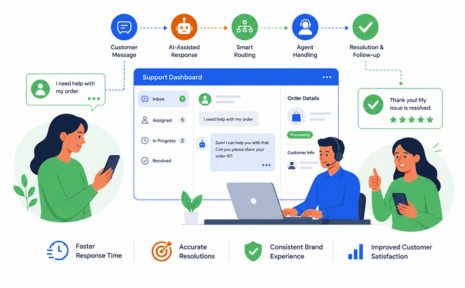
Most manual work exists because two systems don’t talk. We connect your CRM, ERP, helpdesk, billing, and internal tools so records stay in sync without anyone copying fields. Where a legacy system has no usable API, we use RPA to work through the interface instead. Enterprise workflow automation only holds up when the data underneath it is clean and consistent, so we audit it before we build on it.
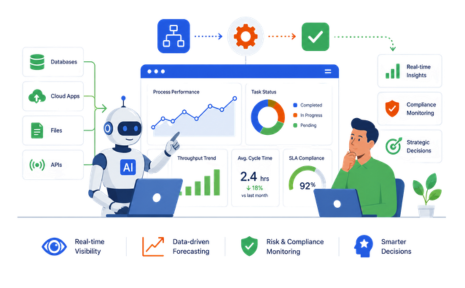
Contracts, invoices, claims, and intake forms carry the heaviest manual load in most companies. Our document workflow automation services handle capture, data extraction, routing, approval, e-signature, and archiving as one connected chain. For legal and procurement teams, this means contract workflows that track versions, flag missing clauses, and hold an audit trail every reviewer and regulator can follow without chasing email threads.
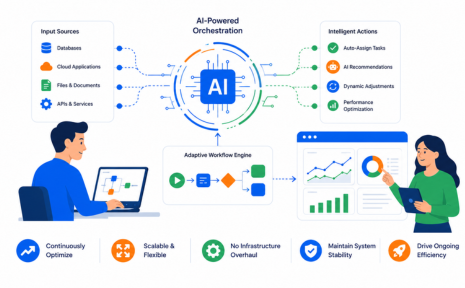
Rules handle predictable work. Judgment calls need something more. We deploy AI agents that read unstructured input, classify it, draft responses, and route exceptions to a human when confidence drops. Our AI-driven workflow automation keeps people in control of anything with money, legal, or customer risk attached. Agentic AI workflow automation services deliver real value when the scope is honest about what a model can and cannot decide.
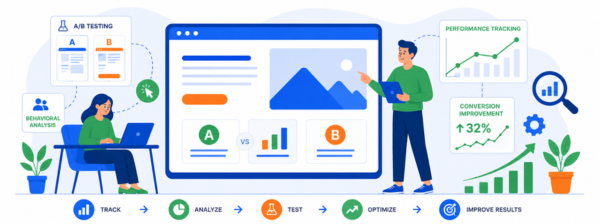
An automation that fails silently is worse than no automation. Every workflow we deliver ships with error alerts, retry logic, run history, and role-based access, so failures surface immediately and owners know who fixes what. We review performance quarterly, retire steps that stopped earning their place, and expand what’s working. You keep full admin rights on your workflow automation platform throughout.
Get a free proposal with real numbers, honest timelines, and no lock-in. Judge us on that.
No process gets automated until we understand what it costs you today. This six-step method is how our workflow automation services move from a first conversation to live automations, so your team runs confidently. Each stage has a clear deliverable and a sign-off point, so nothing gets built on an assumption, and you always know what happens next.

We shadow the teams doing the work, document every step, and time it. You get a clear picture of where hours disappear and what each manual process actually costs per month.
Not every process deserves automating. We score each one on effort, risk, and payback, then hand you a ranked roadmap so budget goes to the workflows that return it fastest.
We design the target workflow first, then choose the tools. Because we hold no reseller quotas, the recommended workflow automation software is the one that fits your stack and your budget.

Our engineers build in a sandbox, connect your systems, and test against real edge cases: missing fields, duplicate records, and failed approvals. Nothing reaches production until it survives the messy inputs.

We run the new workflow alongside the old one until the numbers match, then train your team and transfer documentation, credentials, and admin access. From that point, you own it outright.

Alerts flag failures the moment they happen. We review run data with you each quarter, fix what drifts, retire steps that stopped paying, and automate the next item on your roadmap.
Every industry has one process that quietly eats the most hours. These are the ones we’re asked to fix most often, along with the compliance and accuracy constraints that come with each. If your workflow isn’t listed, the approach still applies. The discovery audit tells us what’s worth building and what should stay manual before we quote anything.
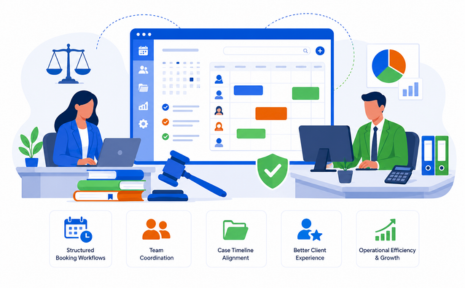
Support teams lose hours to ticket triage, status lookups, and copying case notes between tools. We build automated workflows for customer service messaging that classify incoming requests, pull order and account context automatically, route by urgency, and draft first responses for agent review. Escalation rules keep anything sensitive with a human. Response times drop while the quality of each reply stays consistent.
Contract cycles stall in review queues and inboxes. We connect intake forms, clause libraries, redline tracking, approval routing, e-signature, and renewal reminders into one chain your legal team controls. Compared with buying standalone legal workflow automation software, this approach fits your existing document system rather than replacing it. Every action is timestamped, so audits and disputes have a clean record to work from.
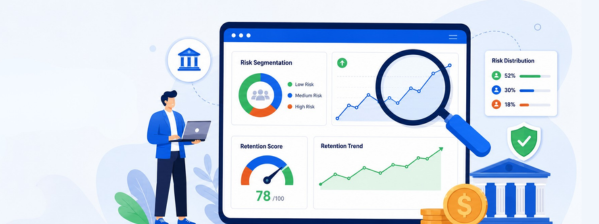
Invoice matching, expense approvals, reconciliation, and client reporting follow strict rules, which makes them ideal automation candidates. For workflow automation in investment services, we add the controls that regulators expect: segregation of duties, maker-checker approvals, immutable logs, and retention policies. Month-end close moves faster because the data arrives already validated instead of being chased across three spreadsheets and a shared inbox.
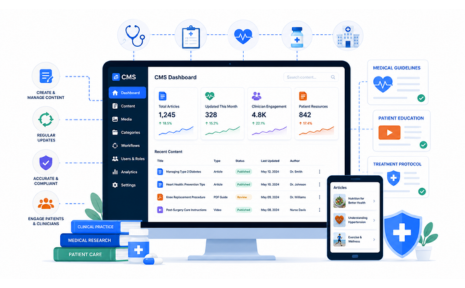
Patient intake, prior authorization, refill requests, and inventory checks all run on repetitive data handling with no room for error. Our AI automation services for pharmacy workflow read prescriptions, verify eligibility, flag interactions for pharmacist review, and trigger reorders at threshold. Access controls and audit trails are built to support HIPAA compliance, and clinical judgment always stays with licensed staff.
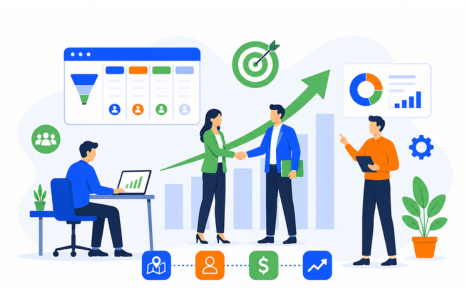
A new hire touches payroll, IT provisioning, benefits, training, and compliance sign-offs in their first week. We automate the whole sequence from signed offer to active accounts, so nothing depends on someone remembering a checklist. The same workflows handle offboarding, which is where access risk usually hides. HR keeps visibility over every step without living inside four different systems at once.
Companies operating across markets duplicate work every time content, contracts, or support replies need another language. We build automated translation services into enterprise workflows, so approved terminology, review steps, and version control travel with the content instead of restarting in each region. Native reviewers still sign off on anything customer-facing or legally binding before it goes live in that market.
Most agencies sell the build and go quiet after launch. Before you sign with anyone, ask them these three questions. We’ve put our answers in writing because they’re the same three concerns every serious buyer raises, and how a partner handles them tells you more than any case study or polished sales deck ever will.
Most agencies are certified partners for one vendor, which shapes every recommendation they make. We hold no reseller agreements, so the choice between Power Automate, Zapier, Make, n8n, Workato, or a custom build comes down to your stack, volume, and budget. If the best workflow automation software for your case is the cheapest one, that’s what we’ll tell you in the audit.
Automations built on an agency’s own accounts quietly become leverage against you at renewal time. We build inside your workspace, under your licenses, with your credentials. At handover, you receive process documentation, architecture diagrams, admin access, and a recorded walkthrough for your team. If you decide to bring the work in-house or move to another partner, nothing breaks, and nothing gets held back.
APIs change, credentials expire, and vendors deprecate endpoints. A silent failure in automation workflow software can corrupt records for weeks before anyone notices. Every workflow we deliver includes retry logic, failure alerts to a named owner, run history you can inspect, and a documented manual fallback. You will know within minutes, not at month-end when the numbers don’t reconcile and no one can say why.
Automation only performs as well as the systems it connects. When a process depends on a tool that can’t share data or a legacy platform nobody wants to touch, the fix sits in development rather than configuration. These are the app development services our automation team calls on most, delivered by the same in-house group under one plan.
You won’t manage three vendors pointing at each other when something breaks. The engineers building your integrations sit with the consultants mapping your processes, so scope changes get absorbed instead of renegotiated, and accountability stays in one place from the first kickoff call to the final handover.
Custom APIs and middleware that let systems without native connectors exchange data cleanly, which is often what stands between a manual process and a fully automated one.
CRM platforms are shaped around your sales process rather than a vendor's template, with automation hooks built in from the start so pipeline updates never need manual entry.
Finance, inventory, and operations are running on one system instead of six spreadsheets, built so approvals, reorders, and reporting can be automated without bolting on middleware later.
Live dashboards that pull from your automated workflows, so leadership sees cycle times, bottlenecks, and cost per process without waiting on a monthly report to be compiled.
Document extraction, classification, forecasting, and sentiment models built into your workflows, handling the judgment-heavy steps that rule-based automation alone cannot process reliably at any real volume.
Aging software is rebuilt or wrapped in modern interfaces, so the system holding your most critical data stops blocking every automation project your team tries to launch.
These come from real discovery calls, so the answers are direct rather than diplomatic. If your question isn’t here, ask it on the call, and you’ll get the same kind of answer. We’d rather tell you a process isn’t worth automating than sell you a project that won’t pay for itself.