Most Google Ads accounts don’t have a traffic problem. They have a qualification problem. Our Google Ads management services connect your campaigns to your CRM, identify which clicks become paying customers, and then rebuild bidding, keywords, and creative around that signal. The result of our strategy is fewer junk inquiries, a lower cost per closed deal, and reporting your sales team actually trusts.
Companies that chose us for their digital transformation
















Running every campaign type isn’t a strategy. Running the right ones, in the right order, is. Our Google Ads PPC management services start with the formats closest to a purchase decision, then expand into demand creation only once the math holds. Below is what we manage, and more importantly, when each one is worth your money. Every account gets this decision made from data, not a template.

We bid where intent already exists. Tight keyword groups, negative-term governance, and ad copy matched to what the searcher typed, not what you sell.

Google Shopping ads management is built on a clean product feed, plus Pmax asset groups and search themes structured so you can actually see what's working.

Upper-funnel formats we switch on only when search demand is capped. Audience-first targeting, strict placement exclusions, and creative tested against real view-through response.

Google service ads for licensed trades and professional firms. We handle Google Guaranteed screening, lead disputes, and the budget pacing that keeps your phone ringing.
Most ad agencies are vague on purpose. Whereas we, as a Google partner ad manager, are precise about the purpose and goal. Below are the six disciplines your Google Ads account manager works through every month, in the order they matter. Fix measurement before you touch bidding. Fix search terms before you write new ads. Skip a step, and you end up optimizing confidently toward the wrong number, which is how most accounts quietly stall.
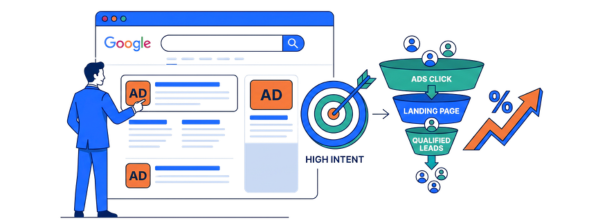
We start by reading your last twelve months, not your account settings. Search term reports get an n-gram analysis to find the word fragments quietly draining budget. We check for conversion double-counting, overlapping campaigns bidding against each other, geo settings including the presence-versus-interest trap, and device bid adjustments nobody has touched since launch. You get the findings document whether or not you hire us.
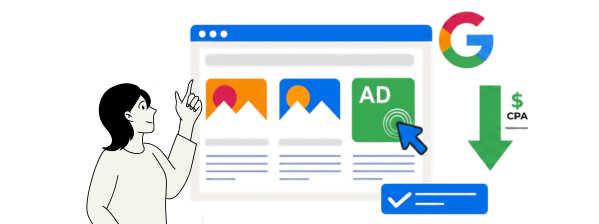
This is where most Google Ads marketing services stop and where ours begins. We rebuild your conversion actions so one lead counts once, then push closed-won revenue back into Google through offline conversion import. Smart bidding then optimizes toward customers instead of form fills. If your CRM is HubSpot, Salesforce, Pipedrive, or a custom build, we handle the plumbing, not your developer.

Keyword research is a one-week job. Search-term governance is a permanent one. Every week we mine the queries your ads actually matched, promote the ones converting into their own tightly themed groups, and negate the rest at the right level so exclusions don’t leak across campaigns. Match types get tightened or loosened based on what the data says, not on preference.
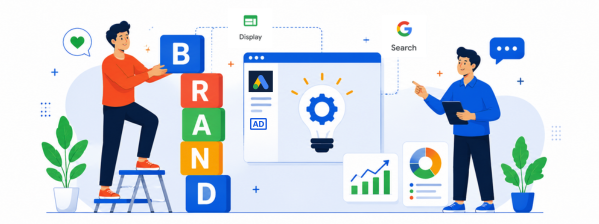
Responsive search ads hide their own performance, so we score assets individually and retire the headlines, pulling averages down. Every campaign runs a live test with a defined winner condition, not an open-ended experiment. Sitelinks, callouts, structured snippets, images, and lead forms are all treated as testable inventory. Ad copy is written against the objection your prospect has, not the feature list you’re proud of.
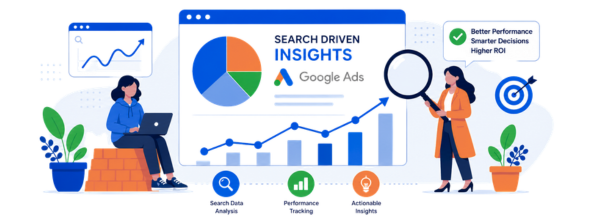
Performance Max is not a black box if you refuse to let it be one. We split asset groups by margin, feed search themes deliberately, apply brand exclusions, and pull channel-level reporting so you can see where spend really went. Target CPA and ROAS values get adjusted against your actual close rate, and budgets are paced so month-end never arrives with campaigns already dark.
You can win the auction and still lose the sale. We review message matches between ad and page, cut form fields that add friction without adding qualification, and test offers, layouts, and calls to action against conversion rate. Where you own the page, we brief your developer. Where you’d rather we build it, professional Google Ads management includes that too.
Get a free proposal with real numbers, honest timelines, and no lock-in. Judge us on that.
Ask most Google Ads service providers what happens after you sign, and you’ll get vague reassurance. Here’s our exact sequence, with the day each step lands. Weeks one and two are diagnosis. Week three is measurement. Launch happens only once tracking is trustworthy. Your named strategist is assigned on day one and doesn’t change.

Days 1 to 3. We map your sales process, average deal value, close rate, and which lead types your team actually wants. That becomes the target we optimize toward. You meet your named strategist on the first call.

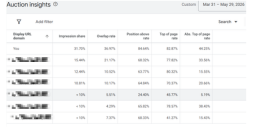
Days 4 to 5. A full read of your history and your competitors' live ads, auction insights, and landing pages. You receive a written findings document with prioritized fixes, sized by impact and effort.

Day 6. Conversion actions rebuilt, values assigned, CRM connected, and consent mode configured for UK and EU traffic. Nothing launches until you and your Google Ads manager agree the numbers are trustworthy.

Days 7 to 10. Google Ads campaign management built to your margin structure, not a template. Budgets, bid strategies, negatives, and assets all in place. We launch deliberately, at controlled spend, and scale only what proves out.

Weekly, from day 30. A fixed weekly rhythm: search terms mined, negatives added, assets scored, and bids adjusted. One structural test runs at all times with a defined winner condition, so nothing changes on a hunch.

Monthly and quarterly. A monthly report tied to the pipeline, plus a live call to walk it through. Quarterly, we reset targets against your business plan. Ask for account access any day, and it's already yours.
Local Services Ads by Google sit above regular search ads and charge per lead, not per click. They’re a different product with different rules, and most Google Ads agencies won’t touch them. We run both. Here’s what we tell clients before they spend a single pound, dollar, or euro on Local Services Ads.
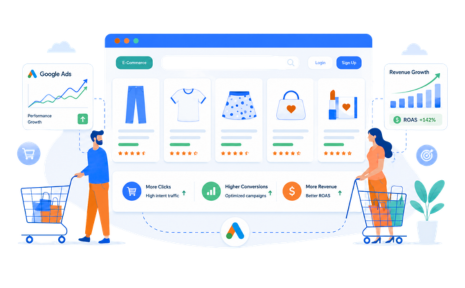
Local Services Ads by Google appear at the very top of results, above paid search, as a compact profile with your rating, reviews, and a call button. You pay per lead rather than per click; there’s no keyword bidding, and Google verifies your business before you go live. Ranking is driven by proximity, review count and rating, responsiveness to leads, and how complete your profile is.
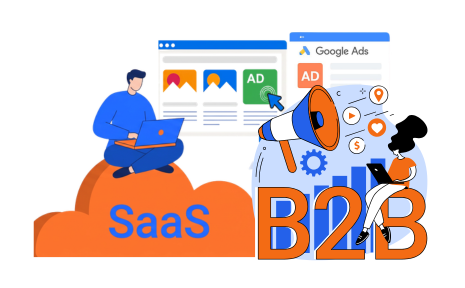
Both are verification badges. Google Guaranteed covers home services like plumbing, HVAC, and roofing and includes a customer money-back guarantee up to a capped amount. Google Screened covers professional services including law, real estate, and financial planning. Lawyers need an active state bar license, malpractice insurance, a review score of 3.0 or higher, and at least one review. Personal injury firms need five.
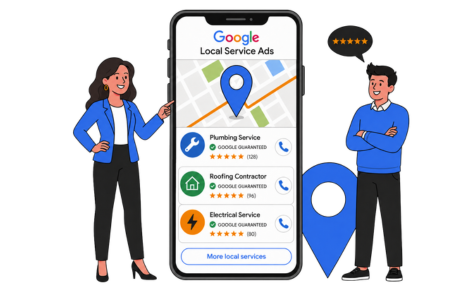
You’re charged per lead, not per click, with costs varying by industry and market. Since 2024, Google has replaced manual disputes with automatic credits, and it no longer credits leads for services you don’t offer or areas you don’t cover. Your only remaining lever is rating poor leads “Very dissatisfied” in the Leads tab, which triggers a second review. Rate them consistently, or you lose the credit.
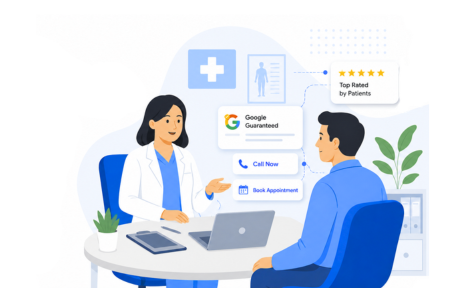
Answer the phone. Responsiveness is a scored ranking signal, so missed calls cost you position and raise your effective cost per job. Beyond that: build review volume steadily, list every service you actually perform, keep your service area tight enough to stay relevant, set your weekly budget above the level that causes early pauses, and rate every bad lead the same day it arrives.

For high-intent practice areas, usually yes. Google Local Service Ads for lawyers place you above paid search with a Google Screened badge that carries real credibility with people choosing legal representation under stress. The caveat is lead quality: LSA delivers volume, and personal injury in particular attracts unqualified calls. Without intake screening and same-day lead rating, cost per signed case climbs fast.
Separately, then together. As a Google Local Service Ads agency, we run LSA as its own channel with its own cost per acquired customer, because comparing it to search on cost per lead alone is misleading. We monitor budget pacing, review velocity, response times, and lead ratings weekly, then shift spend between LSA and search based on which one is actually producing signed business.
Three questions separate the best Google Ads management company from an expensive one. Who owns the account. What you’re actually paying. Who does the work. Most agencies get uncomfortable here. We’d rather answer them upfront, in writing, before you’re a client and while you can still walk away easily. Here are our answers.

Campaigns are built in your Google Ads account, under your billing, with you as the owner. We’re granted access, not control. That includes conversion actions, audience lists, negative keyword lists, feeds, and every ad asset we produce. If you leave, nothing gets switched off, nothing gets taken back, and there’s no export request to make. You keep the work you paid for.
Many Google Ads service providers take a percentage of your spend. We don’t. You pay Google directly, and we take no percentage, rebate, or reseller margin on it. Our fee is a flat monthly retainer, agreed in writing before we start, based on account complexity rather than budget size. So we have no incentive to recommend spending more than your account can profitably absorb.
You get one senior person who knows your account, your margins, and your sales cycle, and their name is on the contract. They run your calls, write your strategy, and make the optimization decisions. Specialists support them on feeds, creative, and tracking, but the thinking isn’t handed to a junior after month three. That’s what professional Google Ads management should mean.
Paid search rarely fails on its own. It fails because the landing page converts poorly, the tracking is wrong, or nobody follows up on the lead. These are the marketing services we most often run alongside Google Ads, and the reasons clients add them. Pick the ones that fix your actual bottleneck.
Every increase in ad spend multiplies whatever your funnel already does. A page converting at two percent stays at two percent no matter how good the traffic is. Fixing the multiplier is almost always cheaper than buying more clicks, and it compounds across every channel.
Ads buy you the top of page one today. SEO earns it permanently. Running both lets you cut paid spend on terms you already rank for organically.
The cheapest way to halve your cost per lead is to double your conversion rate. CRO improves every click you've already paid for, across all channels at once.
Search captures people already looking. Social media creates the demand that sends them searching. Together they lift branded search volume, which is the cheapest traffic you'll ever buy.
Ads answer transactional queries. Content answers everything earlier in the journey, then feeds your remarketing audiences with people who already know exactly who you are.
Most paid leads aren't ready to buy on the first visit. Email keeps them warm until they are, which lowers your true cost per customer without touching ad spend.
Every optimization decision is only as good as the data behind it. We build measurements that survive consent mode, cookie loss, and the gap between form fills and revenue.
The questions below are the ones we actually get asked on first calls, answered the way we’d answer them on a call. Where the honest answer is a range or an “it depends,” we’ve said so rather than picking a number that sounds better.