We architect and build headless CMS platforms on WordPress, Strapi, Contentful, Sanity, Payload, and Contentstack, then wire them to the frontend your team actually wants to maintain. You get a modeled content API, a preview workflow your editors trust, and a codebase you own outright. No theme lock-in, and no rebuild the next time marketing wants a redesign.
Companies that chose us for their digital transformation


















Most CMS development projects don’t start from zero. Some teams need a platform built from scratch, some are unwinding a decade of WordPress, and some already run Strapi and need it to stop falling over at scale. As a headless CMS development agency, we scope to the situation in front of us, not a fixed package. Pick the track that matches yours.

You're building new. We handle content modeling, CMS setup, frontend integration, and deployment, then hand over documented code your team can extend without us.

Moving off WordPress, Drupal, or a legacy monolith. We migrate content with URL parity and redirects intact, so rankings aren't affected because of the switch.

Already running Strapi, Contentful, or Sanity. We build custom plugins, field types, webhooks, and integrations, or fix the performance and modeling decisions holding you back.

Need capacity, not a project. Hire headless CMS developers who join your standups, work in your repo, and report to your engineering lead.
There is no single best CMS for headless development. The right answer depends on who edits the content, whether you can run infrastructure, and how much you’re willing to pay per seat and per API call. We’ve shipped production builds on all of these. Here are the honest recommendations on where each one fits and where it starts to hurt. No platforms pay us to recommend them.
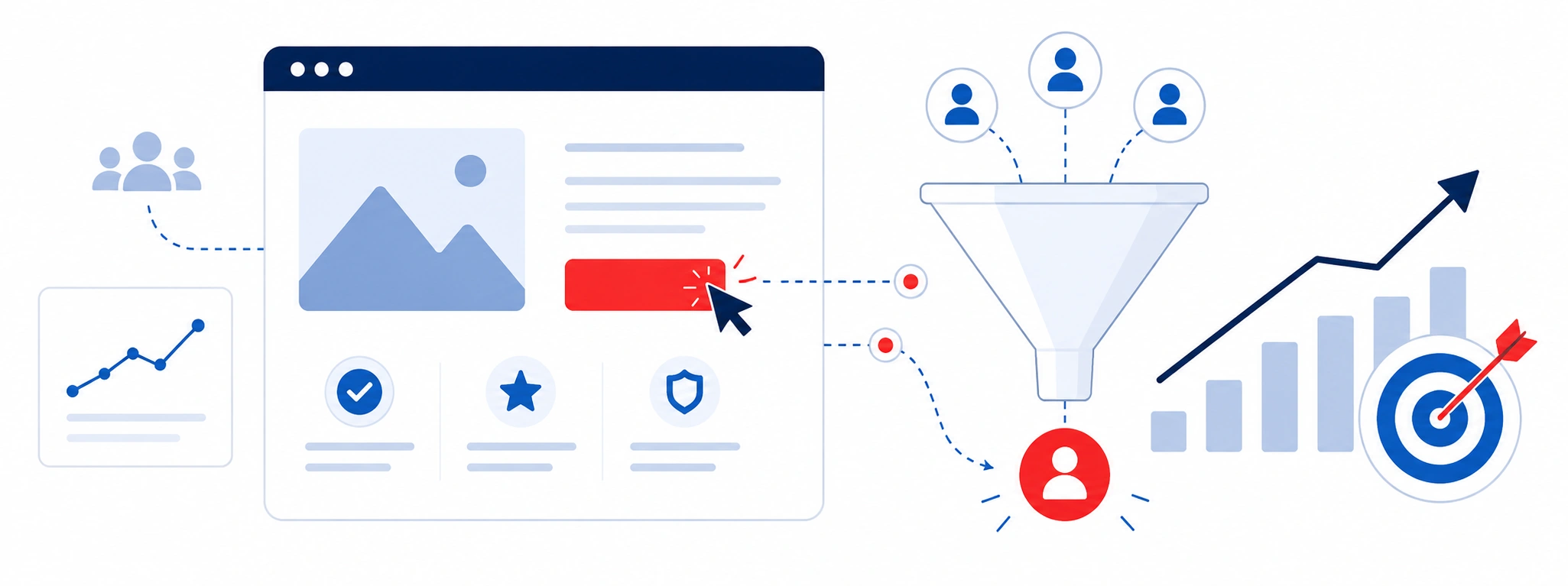
Strapi is the pick when data residency, per-seat costs, or vendor lock-in are dealbreakers. The Community edition is free to self-host with no API call limits and no seat fees, and Strapi 5 brought a cleaner Document Service API, content history, and a real preview flow. The tradeoff is honest: you now own the hosting, upgrades, and backups. Budget for DevOps, not licenses.
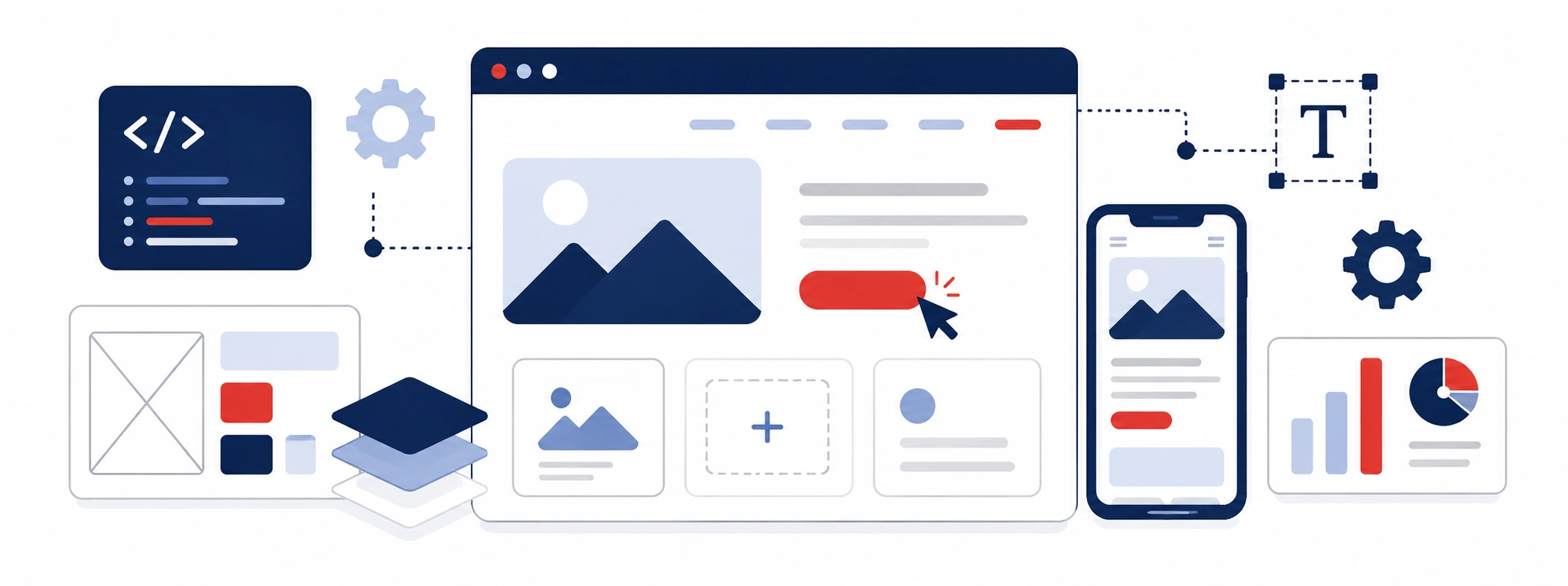
Contentful earns its keep in organizations with many editors, multiple brands, and compliance requirements. You get mature roles and permissions, environment aliases for safe schema changes, a large app ecosystem, and an SLA someone in procurement will ask about. The cost curve is the catch. Pricing climbs with seats, API calls, and spaces, so model your usage before signing, not after.

Sanity gives you a fully customizable studio, GROQ queries, and real-time collaborative editing. Payload 3 runs inside your Next.js app rather than beside it, which removes an entire service from your infrastructure, and Figma acquired the project in April 2026. Directus wraps an existing SQL database, so your data model stays exactly where it already lives. All three reward strong engineering teams.
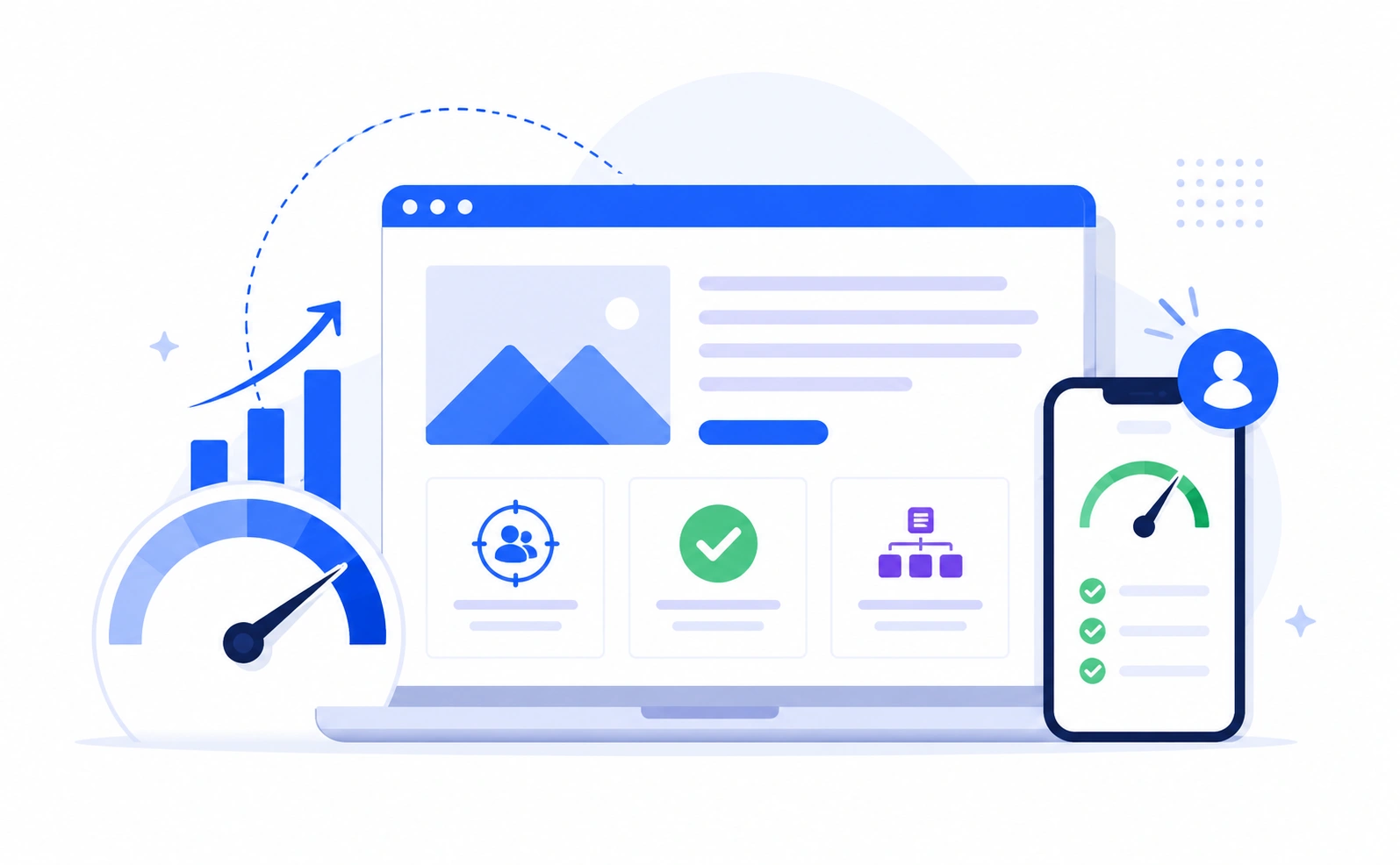
Pick from this group when non-technical teams need independence or when you’re federating content from several systems. Storyblok’s visual editor lets marketers arrange components on the live page without touching a schema. Hygraph is GraphQL-native and built for content federation across sources. Contentstack targets large composable stacks with enterprise governance. All three trade some developer freedom for editor comfort.

Sometimes the CMS is fine, and the frontend is the problem. Going headless with WordPress via WPGraphQL, or with Drupal’s JSON: API, keeps the editorial workflow your team already knows, while a Next.js or Nuxt frontend fixes the performance. It also sidesteps a content migration entirely. Be realistic though: page builders, most plugins, and live previews all need rebuilding or replacing, and that work is not trivial.
Get a free proposal with real numbers, honest timelines, and no lock-in. Judge us on that.
Agencies lose trust in the gap between kickoff and demo. We close it by ending every stage with a document, schema, or working environment you can open and challenge. That’s how our headless CMS developers work, whether you hire us for a full build or embed us in your existing team. Nothing moves forward until you sign off.
We audit your current stack, editor workflows, and traffic patterns, then hand you a written recommendation comparing two or three platforms with a three-year cost model. You approve the choice before we write code.

Before any build, you get a content model document: every type, field, relationship, locale, and validation rule mapped out. Fixing a schema on paper takes an hour. Fixing it in production takes weeks.

We configure the CMS, roles, permissions, and publishing workflow, then run a live session with your content team. The deliverable is a staging environment your editors can actually break before launch.

Next.js, Nuxt, Astro, or your framework of choice, connected with a documented caching and revalidation strategy. You get the repo, a preview deployment, and a written explanation of every cache decision.

Content moves via repeatable scripts, not copy and paste. You receive the migration log, a full redirect map, Core Web Vitals results, and a pre-launch checklist signed off line by line.
You get the full repo, infrastructure runbook, editor documentation, and a recorded walkthrough. Keep us on retainer or take it in-house. Either way, the code and content are yours from day one.
Most agency pages sell headless as a pure upgrade. It isn’t. It’s an architectural trade that pays off for some teams and creates overhead for others. Here’s what we tell clients before they commit, including the cases where we’ve talked people out of it. Read this before you approve a budget, not after the rebuild has started.
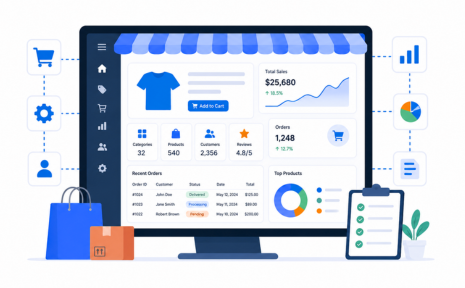
The savings show up after launch, not before. A first headless build usually takes longer than a themed one because you’re modeling content and building a frontend from scratch. What changes is the second year. Redesigns touch only the frontend, new channels reuse the same API, and editors stop filing tickets for changes that never needed a developer. That compounding is the real return.
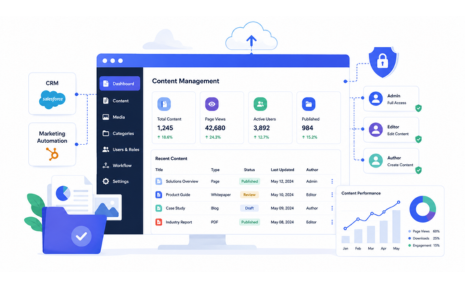
You get your framework back. No theme hierarchy, no templating conventions you didn’t choose, no plugin conflicts at midnight. Content arrives as typed JSON; you can test, version control covers the entire frontend, and local development stops depending on a database dump. Type generation from the schema means a content model change breaks the build instead of the live site. That last one prevents a lot of incidents.
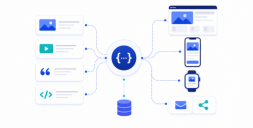
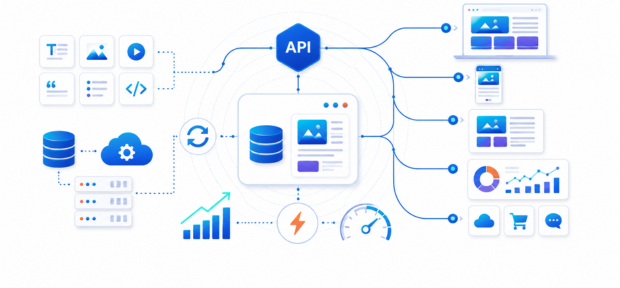
A standard CMS owns the database, the admin, and the rendered page. A headless CMS owns the first two and hands you the third over an API. Practically, that means two codebases instead of one, two deployments, and a preview system you build rather than inherit. The content team’s day looks similar. The engineering team’s day looks completely different. Budget for that shift.
Preview is the big one. Editors used to seeing the finished page now see fields in a form, unless you build draft mode and revalidation properly. Page builders disappear. Most plugin ecosystems disappear with them, so search, forms, and analytics become integrations you own. None of this is a dealbreaker, but every item is real work that belongs in the estimate.
If you publish to one website, have no in-house developers, and your content team lives inside a page builder, headless will slow you down and cost more. Same if your traffic is modest and your current site performs fine. We’ve recommended against headless more than once, and a well-tuned WordPress build was the better answer. Headless is a fit test, not a status upgrade.
Beyond the build: hosting for the frontend and the CMS, per-seat licensing if you go SaaS, bandwidth and API overages at traffic spikes, and a developer available whenever the content model needs a new field. Self-hosted Strapi trades license fees for DevOps hours. Neither option is free. We put all of it in the proposal so nothing surprises finance later.
A headless CMS is one layer of a working website. The frontend, the APIs it talks to, the commerce logic, and the performance work all sit around it. These are the services teams most often combine with a headless build, either in the same engagement or as the next phase after launch.
Scoping them as one project usually costs less than sequencing them. Shared content models, one deployment pipeline, and a single team that already knows your schema means less rework at every handoff. If you’d rather phase the spend, we’ll tell you which order costs least.
The frontend most of our headless builds ship on. Server components, incremental revalidation, and image optimization tuned so your Core Web Vitals hold up under real traffic.
Still the right answer for plenty of projects. We build conventional WordPress sites, and we run headless WordPress when you want the editor but not the theme layer.
When the site needs accounts, dashboards, or workflows rather than just pages. Same API-first approach, with the CMS handling content and custom services handling everything else.
Every line of your build is written by our in-house developers. We don’t subcontract, we don’t broker, and we don’t hand your repo to a partner agency you never approved. The engineer who scopes your content model is the same one who ships it, and they stay on the project through launch and beyond.
A typical build runs with a lead engineer who owns the content model and CMS configuration, a frontend developer on the Next.js or Nuxt layer, and a QA pass before every release. All in-house, all reachable in your Slack or Teams channel. No ticket queue, no account manager translating requirements badly. Scale the team as the scope moves.
Fixed-scope project when the requirements are clear, and you want a number. Dedicated developer, monthly, when you need someone in your repo and your standups without running a hiring cycle. Retainer for teams who already launched and need ongoing model changes, upgrades, and integrations. Most clients start with one and move to another as the work evolves. We’ll tell you which fits before you ask.
If you already have engineers, we work inside your setup rather than beside it. Your repo, your branching strategy, your review process, and your project tracker. We hold a daily overlap window scheduled around your standup, whether your team sits in New York, London, or Berlin, and we write documentation as we go so knowledge stays with you after the engagement ends.
These are the questions that come up on almost every scoping call, answered the way we’d answer them on the call. If yours isn’t here, ask us directly, and we’ll give you a straight answer, even when it’s one that costs us the project.