Rankings rarely collapse overnight. They slip quietly, one algorithm update and one competitor at a time, until paid ads are the only thing keeping your pipeline full. improveFX is an organic SEO company built to reverse that. Our organic SEO services start with search intent instead of vanity keywords; we fix what is technically holding the site back, publish content that answers real buying questions, and earn authority through white-hat SEO work that keeps paying off long after the campaign ends.
Companies that chose us for their digital transformation











Most organic SEO campaigns fail for the same reason; they chase rankings instead of buyers. You end up with traffic that never converts, a rising cost per acquisition, and a growth curve that stalls the moment you pause the ads. Our organic SEO solutions are built the other way around. Every decision starts with what your buyer is actually searching for, then works backward into keywords, content, and technical optimization.

We study how your buyers search, not just what they search. Every page is mapped to a specific intent, whether someone is comparing options, ready to buy, or still learning. That match is what turns a ranking into a conversation and a conversation into a lead.

Rankings, click-through rates, scroll depth, and conversions tell us what to fix next. We review the numbers every month and adjust the organic SEO strategy accordingly. Nothing stays in the plan because it was in the last quarter's plan.

No PBNs, no bought links, no thin pages spun to fill a content calendar. We use white-hat SEO services for organic growth because penalty recovery costs more than doing it properly the first time. Your rankings should survive the next core update.

Our SEO team creates a monthly report that says what changed, what it moved, and what we are doing next. No 40-page PDF of raw exports. If any strategy is not working, we tell you before you ask.
Rankings are not the outcome. Revenue is. Most SEO reporting stops at positions and sessions, which is exactly why leadership teams still treat organic as a vanity channel instead of a revenue line. Our organic SEO optimization and consulting services are measured against the numbers your board actually asks about: qualified pipeline, cost per acquisition, and recurring revenue. Here is what that looks like in practice.
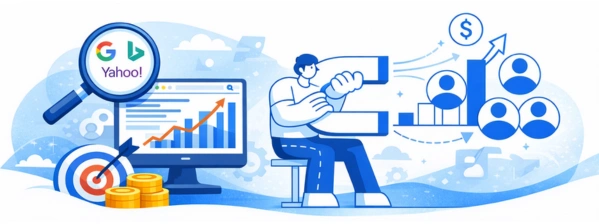
Paid traffic stops the day the budget does. Organic search keeps delivering people who are already looking for what you sell. We map pages to transactional and commercial intent, so the enquiries landing in your inbox come from buyers close to a decision, not browsers who bounce in nine seconds.
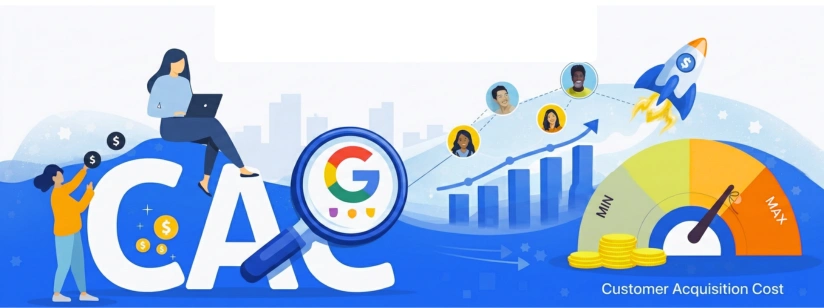
Every ad click is a fresh cost. Every organic click on a page you already own is not. As rankings hold and widen, your blended cost per acquisition falls, and the same budget starts covering more ground. Most organic SEO strategies reach that crossover between month six and month nine.

Appearing on page one of a search engine’s SERP repeatedly does something ads cannot. Buyers read top organic rankings as credibility before they read a word of your copy. That perception shows up later as higher close rates, shorter sales cycles, and less pressure to compete on price.
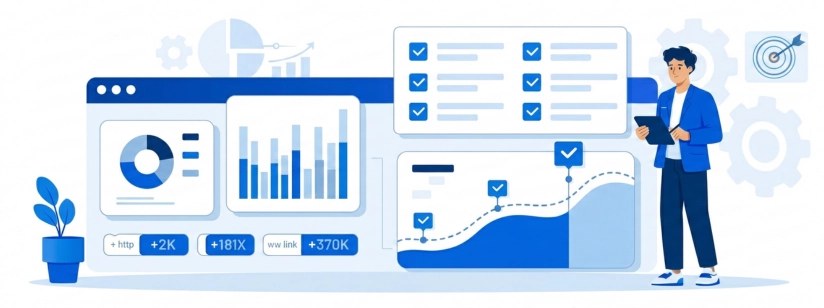
Every optimized page, technical fix, and earned link makes the next one work harder. A domain with real authority ranks new content faster, which is why year two of a well-run organic SEO strategy costs less and returns more than year one. Paid channels never do this.
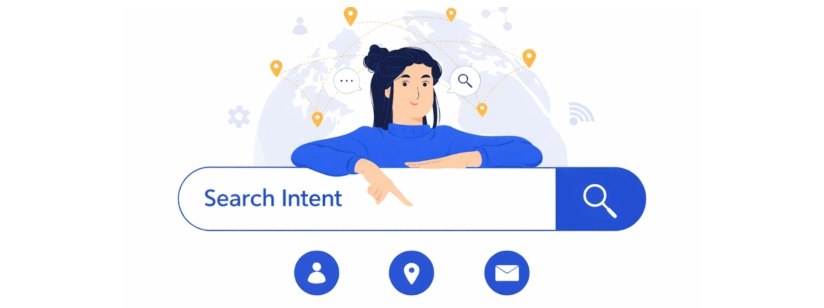
Intent analysis tells you more than which keywords to target. It tells you what your market is confused about, which competitors they are weighing you against, and what stops them from buying. Clients regularly take that research straight into their sales scripts and product positioning.
Get a free proposal with real numbers, honest timelines, and no lock-in. Judge us on that.
Guesswork is what makes SEO feel expensive. A defined organic SEO process is what makes it predictable and successful. Every improveFX organic SEO solution moves through the same six phases, so you always know what is being worked on, what it should move, and roughly when. The organic SEO techniques change by industry and competition level. The sequence does not.

We start by finding what is actually holding you back: crawl errors, index bloat, cannibalized pages, and the keywords your competitors own that you do not. You get a prioritized findings document with the fixes ranked by impact, not a 200-point checklist export nobody reads.

Most organic SEO keyword research stops at search volume. We sort every term by what the searcher actually wants, whether that is to learn, to compare, or to buy, then assign each one to a specific page. No keyword goes into the plan without a URL attached to it.

We fix what the SEO audit found. Page speed, crawl efficiency, internal link structure, indexation rules, structured data, and mobile rendering. It is the least glamorous phase and usually the one that produces your first ranking movement.

Each page is built to answer one intent properly rather than three vaguely. We optimize what you already have before publishing anything new, because lifting a page from position 12 to position 4 is faster and cheaper than starting from zero.
We earn links through digital PR, expert commentary, and assets worth citing. Every prospective placement is checked for topical relevance and real traffic before we approach it. You see the full list of what was earned and where, every month.

We track rankings, organic conversions, assisted revenue, and cost per acquisition. Each month we review what moved, cut what did not, and reallocate. You get a call with an organic SEO consultant who worked on the account, not just a dashboard login.
An ecommerce category page and a SaaS comparison page are not the same problem. Neither is a local service business fighting for map pack placement and a healthcare provider working inside compliance rules. Every custom organic SEO service we build starts from the search behavior, competition level, and buying cycle of your specific market. Here is how that plays out across the industries we work in most.
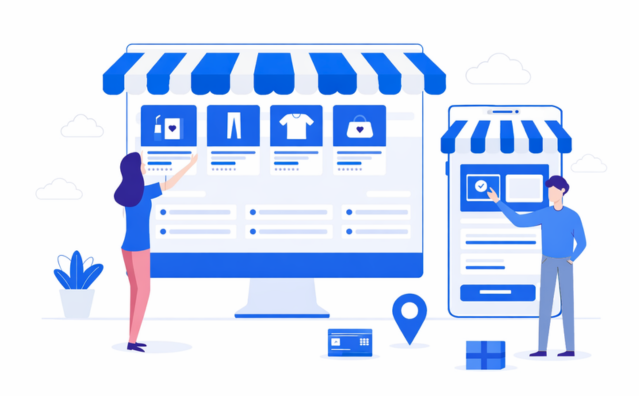
Retail SERPs are crowded with marketplaces and comparison sites, so ranking a product page takes more than a keyword in the title tag. We restructure category architecture, implement product and review schema, clean up faceted navigation, and target buying-intent terms instead of broad head terms that fill your analytics and empty your cart. Success is measured in revenue per session, not sessions.
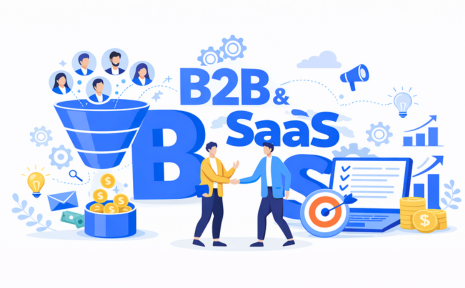
Long sales cycles mean the person searching today may not buy for six months. We build for every stage of that cycle: problem-aware articles at the top, comparison and alternative pages in the middle, and bottom-funnel pages that name competitors directly. Technical evaluators and executive sponsors need different proof, so we write for both rather than averaging them into one vague page.
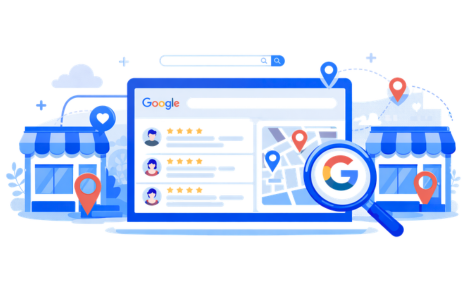
Near me searches convert fast and forgive nobody ranking below the map pack. Our local organic SEO services cover Google Business Profile optimization, citation consistency, location page structure, and review velocity. For small businesses competing against national franchises, this is usually the highest-return work available, and it tends to move in weeks rather than quarters.

Health content is held to a higher standard by Google’s quality raters, which makes author credentials, citations, and factual accuracy genuine ranking factors here in a way they are not elsewhere. We build treatment and service pages that satisfy both YMYL requirements and your compliance review, then clear the technical issues keeping patients from finding them.
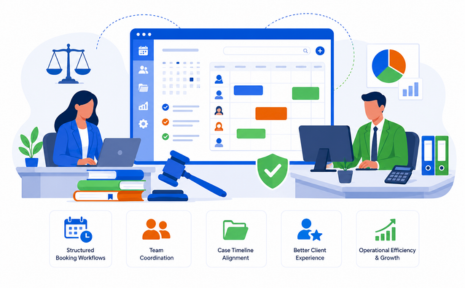
Legal, accounting, and consulting searches are dominated by directories and lead-gen sites selling your prospects back to you. We build topical authority around each practice area so your own pages outrank the aggregators, and structure the content so enquiries arrive already convinced rather than shopping three firms at once.
With no domain authority and no budget to waste, sequence matters more than volume. We find the keyword gaps larger competitors ignore, build the small set of pages that can realistically rank in months rather than years, and earn the first links that make every page after them easier to rank.
Most agencies will show you a version of the same slide deck. The difference shows up somewhere else: in who actually does the work, whether the strategy accounts for how search behaves in 2026, and what you walk away with if you decide to leave. Three things separate improveFX from the average organic SEO company.
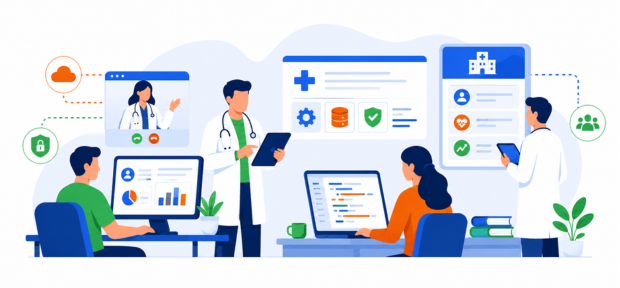
You meet our organic SEO expert-strategist during the pitch and continue working with them afterwards. Our organic SEO experts have run campaigns through every major algorithm shift, across ecommerce, SaaS, healthcare, and local service markets. Nothing gets white-labeled to a third party, and no part of your account is handed to someone learning on your budget.
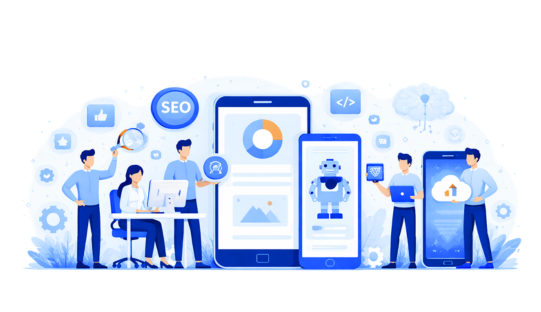
Search results are no longer ten blue links. AI overviews, featured snippets, and answer engines increasingly sit between your buyer and your website. Our cutting-edge organic SEO methods account for that: entity-level optimization, structured data machines can parse, and content formatted to be quoted rather than only ranked. Traditional SEO still matters. It is no longer sufficient by itself.

Your analytics, Search Console, content, and backlink profile stay in your accounts and your name. We work on rolling agreements rather than annual lock-ins, because retention should come from results. If you ever leave, you leave with every asset intact and full documentation of what was done and why.
Organic SEO services work best when what sits underneath them is solid. These three services are the ones most closely related to the work on this page, and most clients run at least one of them alongside their organic SEO campaign.
Most businesses do not need all three at full intensity. A SaaS company usually needs technical SEO and organic SEO. A multi-location clinic needs local SEO and organic SEO. We scope the right combination against your situation and run it as a single roadmap with one team and one report, so nothing gets duplicated and nothing falls between two agencies.
Organic SEO wins national and informational searches. Local SEO wins the ones happening within five miles of your door. If you serve a defined geography, the map pack is usually where the highest-intent traffic sits, and it runs on a separate set of ranking signals.
Content cannot rank on a site Google struggles to crawl. Our technical SEO work covers site speed, indexation, structured data, JavaScript rendering, and internal link architecture. When organic SEO plateaus despite genuinely good content, this is almost always the reason.
Product and category pages compete under different rules than blog content. Ecommerce SEO handles faceted navigation, product schema, variant duplication, and the crawl budget problems that arrive with thousands of URLs. Built for stores where a ranking only counts if it turns into a sale.
Below are the questions that come up in almost every discovery call, answered honestly rather than optimistically. If yours is not here, an organic SEO consultant can walk you through it directly.