Every unanswered ring is a customer calling someone else. improveFX designs automated calling services that greet, qualify, route, and follow up in your brand’s voice, then hand off to your team the moment a human is needed. We build on your existing phone system and CRM, so nothing gets rebuilt, and no lead gets lost.
Companies that chose us for their digital transformation















Most teams do not lose customers on the call. They lose them before the call connects or in the silence that follows it. Before you shop for an automated call answering service, it helps to see exactly where the leaks are. These four patterns show up in almost every audit we run, and each one carries a measurable cost in lost pipeline, wasted hours, and churn.
Peak-hour overflow and after-hours calls go straight to voicemail. Most callers never leave a message. They simply dial the next business on the list.

Manual outbound dialing means reminders, renewals, and warm leads get called when someone has time. An automated phone call service works the queue on schedule.

Legacy IVR trees route by keypress, not intent. Callers repeat themselves at every transfer, and the ones with real buying signals hang up first.

Without call-level reporting, no one can prove which campaigns, hours, or scripts produce revenue. Budget decisions get made on instinct instead of evidence.
Calling automation is not a single feature. It is a connected set of workflows that covers the entire call lifecycle, from the first ring to the record in your CRM. Our call center automation services combine voice AI, dialing logic, routing rules, and reporting into a single system your team controls. Here is what we build and where each piece pays for itself.
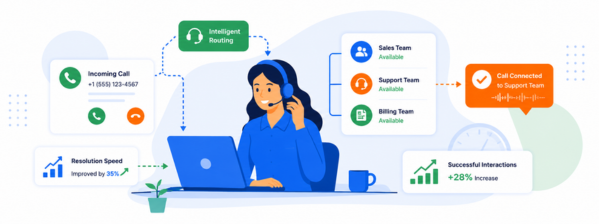
Every inbound call is answered on the first or second ring, at midday or at midnight. The voice agent greets recognized callers by name, answers routine questions about hours, pricing, order status, and availability, then captures the details your team needs to act. Peak-period overflow is absorbed automatically rather than queued, so nobody waits on hold and nobody hangs up before you answer.
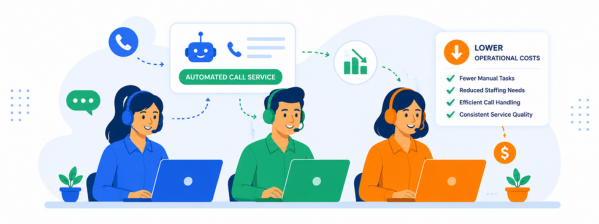
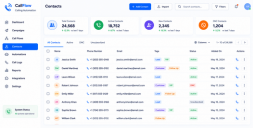
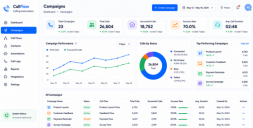
Renewal reminders, payment follow-ups, appointment confirmations, review requests, and lead re-engagement go out on a defined cadence instead of whenever someone finds a gap. Lists are segmented by intent and last activity, calls are placed inside legal calling windows, and every outcome writes back to your CRM. Contacts who ask to stop are suppressed instantly and permanently across every future campaign you run.
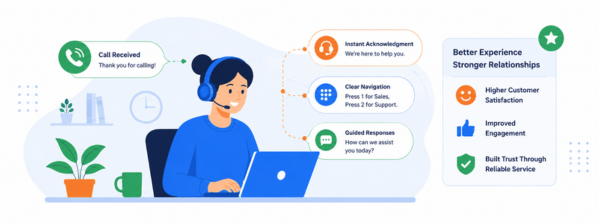
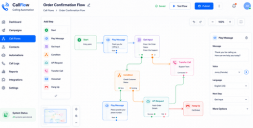
Callers describe what they need in their own words instead of pressing four to reach billing. The system reads intent, checks account context, and routes to the right queue, the right specialist, or straight to a booking. When a call needs a person, it transfers with the full transcript and caller history attached, so your agent never asks the caller to repeat themselves.
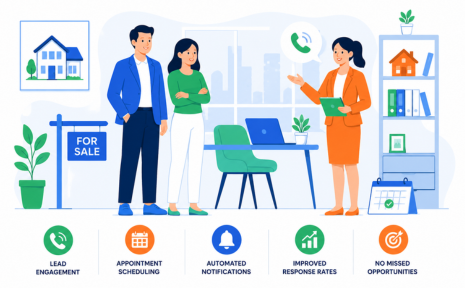
The agent checks live calendar availability, books the slot, sends the confirmation, and calls back to confirm before the appointment. Rescheduling happens on the same call rather than through a chain of voicemails. For clinics, service businesses, and sales teams, this single workflow usually returns the most value first, because no-shows and empty slots cost real money every week in lost capacity.
We build on your existing numbers and telephony, whether that is RingCentral, Twilio, Zoom, Genesys, or a traditional PBX. Call outcomes, transcripts, recordings, and lead scores sync into HubSpot, Salesforce, Zoho, or your helpdesk automatically. Nothing gets migrated, nothing gets rebuilt, and your team keeps working in the tools they already know while the automation runs quietly underneath every conversation.
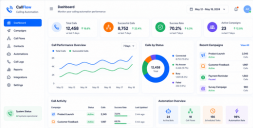
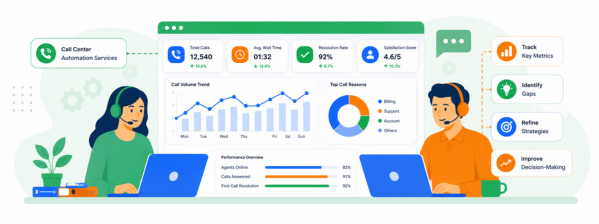
Every call produces data: answer rate, containment rate, average handle time, transfer reasons, sentiment, and revenue attributed to the source. Our automated call center services surface all of it in one dashboard that your leadership can read without training. You see which scripts convert, which hours need coverage, and where the automation should hand off sooner. Then we tune the flows against that evidence.
Get a free proposal with real numbers, honest timelines, and no lock-in. Judge us on that.
We do not hand you a login and wish you luck. Every build follows the same six-step process we have refined across automation projects, so you always know what is happening, who owns it, and what goes live next. Most clients take their first automated call within four weeks of kickoff, not four months.

We listen to real recordings, map call volumes by hour and reason, and calculate what each missed or mishandled call currently costs you. Every recommendation that follows traces back to that data.

Together we define exactly what the automation handles and, just as important, what it never touches. Complaints, high-value accounts, and sensitive edge cases route to your team by design, not by accident.

Scripts are written in your brand's tone, then pressure-tested against interruptions, accents, background noise, and the awkward questions your customers actually ask. You approve every line and every voice before anything goes live.

We connect your existing numbers, CRM, calendar, and helpdesk, then configure routing, caller ID reputation, and recording rules. Your current phone system stays exactly where it is, and your team keeps its existing workflow.

Before a single customer hears it, we run hundreds of simulated calls against real scenarios. Then we pilot on a small share of live traffic and review every transcript with you.

Go-live is the start, not the finish. We review performance weekly, retrain on real conversations, and keep tuning your automated call services as products, pricing, and seasonal demand change through the year.
Automating a phone line makes people nervous, and it should. Your number is often the last human touchpoint you have with a customer. Below are the six concerns that come up most often when teams evaluate calling automation, answered the way we answer them in a scoping call rather than the way a sales page usually does.
Most will realize within a few seconds, and that is fine. What loses customers is not automation; it is bad automation: rigid menus, long pauses, and a system that cannot be interrupted. Our agents respond in under a second, handle interruptions mid-sentence, and disclose that they are virtual when asked. Callers care far more about getting an answer than about who gave it.
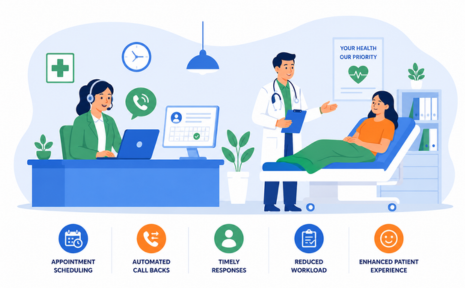
It stops trying and gets a person. Escalation triggers are set during scoping: a frustrated tone, a repeated question, a keyword like cancel or complaint, or an account above a value threshold. The transfer carries the full transcript, caller history, and reason for escalation, so your agent opens the call already informed. If no one is available, the system books a guaranteed callback.
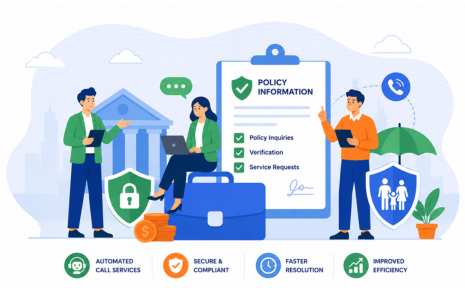
Automated phone call services are legal wherever they follow local rules, and those rules are strict. In the United States, outbound campaigns require documented prior express consent, scrubbing against federal and internal do-not-call lists, and calling only during permitted hours, with recording consent varying by state. We build these controls into the call flow and keep an auditable consent trail for every campaign.
No. Your numbers stay yours, ported nowhere and registered in your name. We layer automation on top of the telephony you already run, whether that is a cloud platform or an on-premises PBX. Your team keeps its existing extensions, voicemail, and call handling. If you ever switch providers or stop the automation, your line keeps working exactly as it did before.
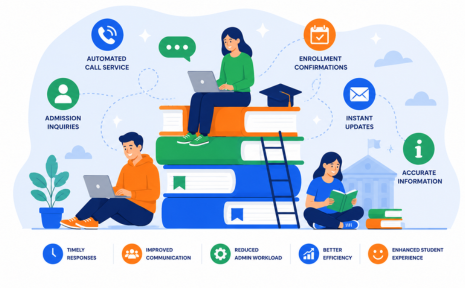
Yes, and it is usually the fastest win on the whole build. An automated callback service offers the caller a slot instead of a queue, holds their place, confirms by text, and dials them at the agreed time with their context already loaded. Abandonment drops because nobody waits on hold, and your agents work a scheduled list instead of a spiking queue.
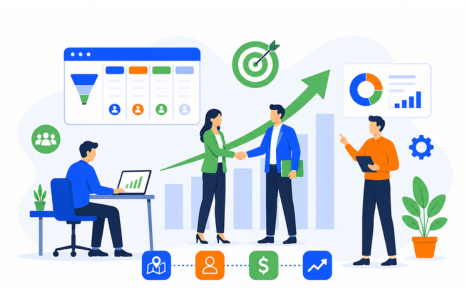
You do. Recordings, transcripts, contact data, and the conversation logic all sit in accounts registered to your business, not ours. We document every flow, script, and integration so your team or any future partner can maintain it. There is no proprietary layer holding your call data hostage and no penalty for taking the whole system in-house later. That is a deliberate choice, and it is rare in this category.
Buying an automated call service is easy. Making it work with your CRM, your campaigns, your compliance posture, and your team’s habits is the hard part, and it is where most projects stall. improveFX exists in that gap. Here is what changes when engineering, marketing, and call operations sit on the same team.
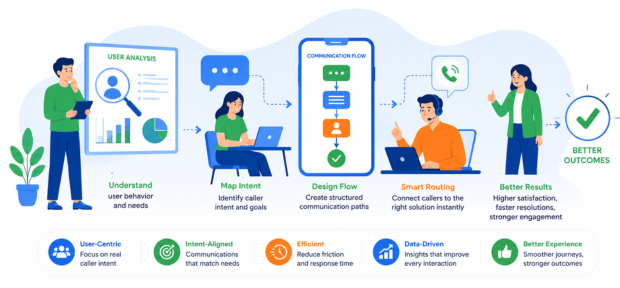
Voice AI vendors have one answer to every question: their product. We are vendor-neutral, so the stack gets chosen after the audit, not before it. Sometimes that means a leading voice platform, sometimes a lighter dialer, sometimes a hybrid that keeps your existing IVR for two workflows and automates the rest. The recommendation follows your call data, not our margins.
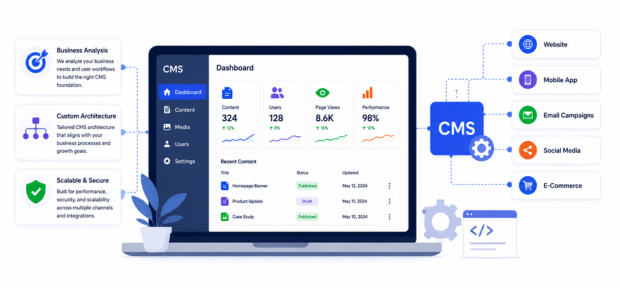
improveFX runs SEO, paid campaigns, and development in-house, so your call automation is built with attribution baked in. The agent knows which ad, keyword, or landing page produced the call, qualifies accordingly, and writes that back to your CRM. You stop guessing which channel drives phone revenue, and your media budget starts following calls that actually close instead of calls that merely ring.
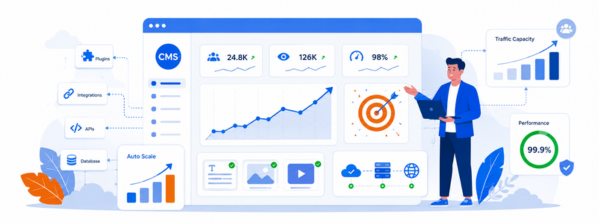
Platform dashboards measure usage because usage is what they bill for. We agree on business outcomes before the build starts: booked appointments, qualified leads, recovered payments, and cost per resolved call. Every review compares those numbers against the baseline from your original call audit. If a workflow is not paying for itself, we say so and change it rather than defend it.
A call is one step in a longer journey. What happens before the phone rings and after it hangs up decides whether that call becomes revenue. These business automation services connect to the same data and the same CRM, so each one you add makes the calling system measurably more useful.
Most agencies deliver automations as separate projects that never speak to each other. We build every workflow on shared contact records and shared reporting, so a lead captured on a call is scored, routed, followed up, and measured without anyone exporting a spreadsheet.
Every call, transcript, and outcome lands on the right record automatically. Your pipeline stays current without a single manual note, and reporting finally reflects what actually happened.
Capture, enrich, and score leads from forms, ads, and chat before they ever reach the phone, so your call agents open every conversation already knowing who is worth time.
Quotes, proposals, reminders, and pipeline stages move on their own after the call ends. Reps spend their hours selling instead of updating fields and chasing approvals.
The follow-up a caller was promised sends within seconds, personalized to what was actually discussed. No forgotten recaps, no generic templates, no leads cooling off overnight.
Approvals, handoffs, ticket creation, and internal alerts trigger from call outcomes instead of from someone remembering. Work moves between departments without a chase message or a status meeting.
Call performance, campaign spend, and revenue land in one scheduled report your leadership reads on Monday morning. No exports, no manual joins, no arguing about whose number is right.
The section above covers the concerns that worry teams. These are the practical questions that come up once the decision is basically made: cost, timelines, integrations, languages, and what happens first. If your question is not here, ask it on the audit call, and you will get a direct answer.